Chocolate Eighth Notes: A Sweet Valentine’s Day Treat

Every Valentine’s Day I like to make my students a little music-themed treat. This year I made these cute chocolate eighth note!
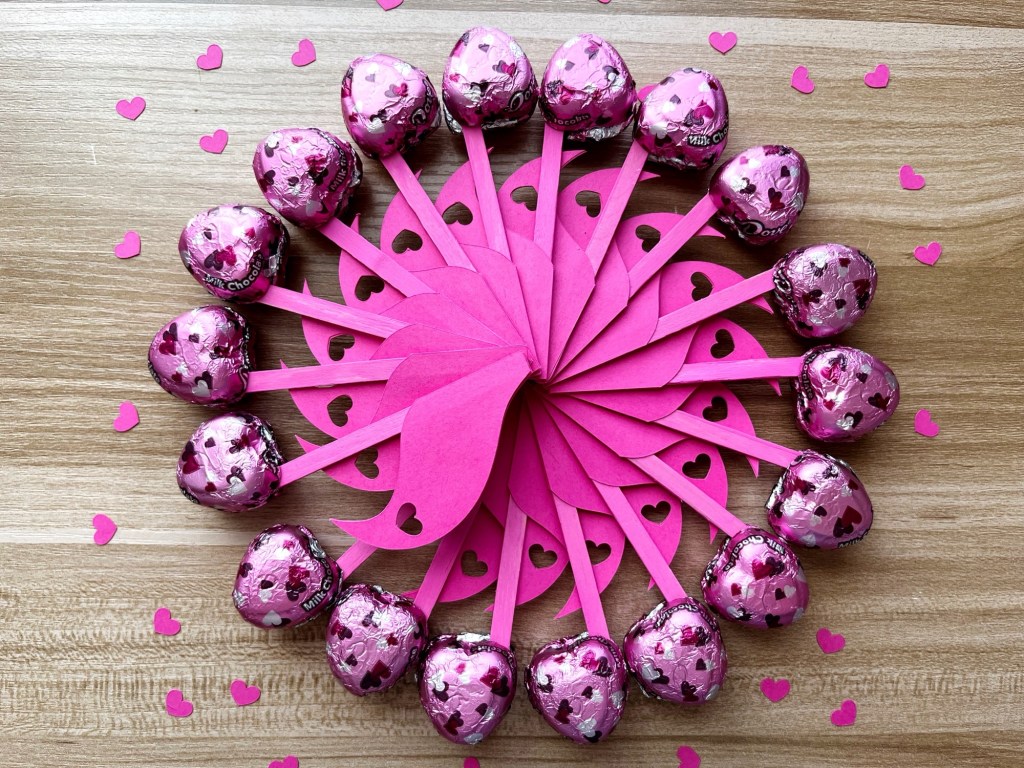
Chocolate eighth notes are arranged in a circle with the flags at the center. The chocolates are surrounded by tiny pink hearts.

Check out my Valentine’s Day round-up post with more Valentines treats, activities and games!

If you’d like to make these sweet treats, here’s what you’ll need:

Depending on the size of the heart-shaped chocolates you are using, you may need to trim your coffee stirrers. I cut mine in half by etching a notch in the coffee stirrer with the X-acto knife. Then I broke the stirrer in half.

An X-acto knife cuts a coffee stirrer

Paint the coffee stirrer pink and cut out the eighth note flags from the cardstock. Glue the flags to the coffee stirrers with stick glue.

A pink eighth note flag and stem are placed next to a bottle of pink paint and a tube of stick glue.

Apply the double-sided tape to the end of the coffee stirrer.

The crafter applies double sided tape to the end of the pink eighth note stem.

Press one of the chocolate hearts onto the double-sided tape.
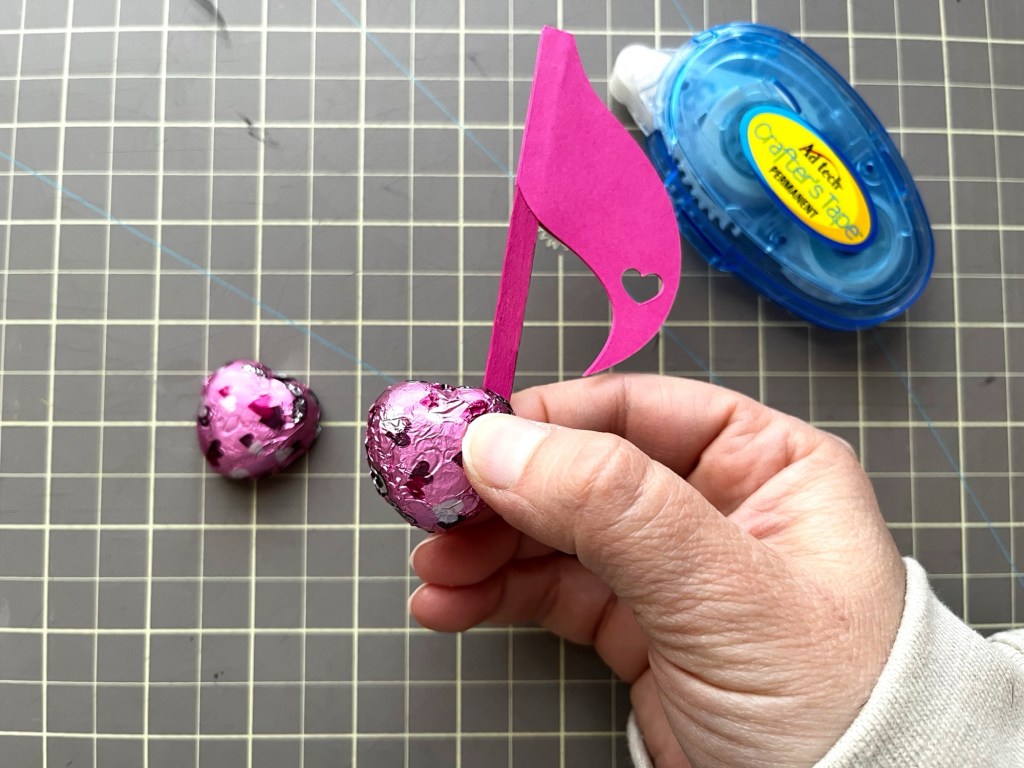
A chocolate is pressed against the tape on the pink eighth note stem

Apply double-sided tape the other side of the coffee stirrer and to the wrapping of the chocolate heart.

The crafter applies double sided tape to the back of the chocolate’s wrapper and the back of the pink eighth note stem

Press the second chocolate heart onto the first heart and stirrer.
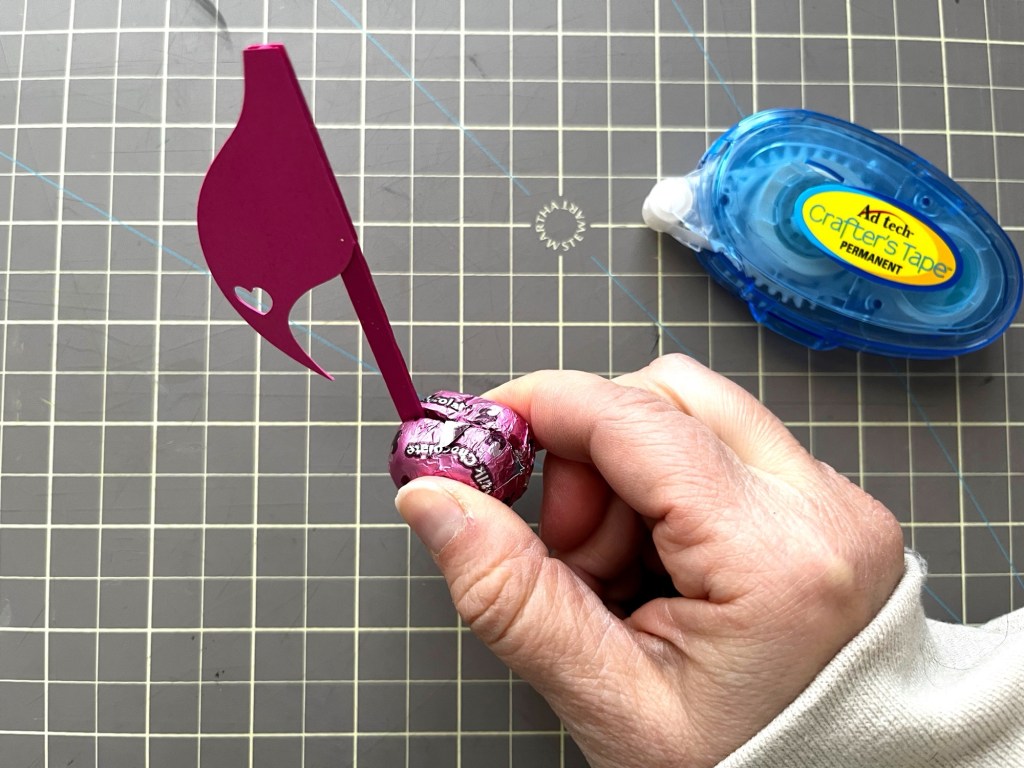
The crafter presses the other chocolate onto the double sided tape

Optional: Write a message on the flag.

The crafter uses a black fountain pen to write a sweet message on the flag of the pink chocolate eighth note

And there you have it! 🙂 My students loved these sweet notes!

The pink chocolate eighth note sits on a piano keyboard

Explore more creative teaching ideas
  • Valentine’s Day Round-Up
    Make Valentine’s Day special for your students with free downloadable piano-themed Valentine’s cards and lots of music theory games that will have your students seeing hearts!
  • Sweet Words
    Love doesn’t come easy but Sweet Words certainly help! Your students will get all the feels with this elementary-level Valentine’s Day note-reading and keyboard awareness game.
  • I Can Heart-ly Wait for the Punchline
    A heart themed laugh-out-loud note reading game. I love this game because not only do students have to think about keyboard geography, they also have to be able to associate the notes with their exact location on the piano. 
  • Sky High Love
    The rhythms get longer as the heart towers get higher! Whose tower will remain standing in the end?! This adrenaline-inducing rhythm game is a great way to kick-off a lesson and get the energy up.

Let’s stay in touch, join the list!

As a “toucan” of our appreciation download a free set of note flashcards (link in our Welcome email)!

Processing…
Success! You're on the list.

We are a participant in the Amazon Services LLC Associates Program, an affiliate advertising program designed to provide a means for sites to earn advertising fees by advertising and linking to Amazon.com. As an Amazon Associate we earn from qualifying purchases.
Classical Music Easter Eggs

I LOVE a good classical music pun and I feel it’s my responsibility as a piano teacher to share all of the awesome classical music puns with my students! Fortunately they humor me and get a kick out of it too (I mean who doesn’t love a good dad joke?!).

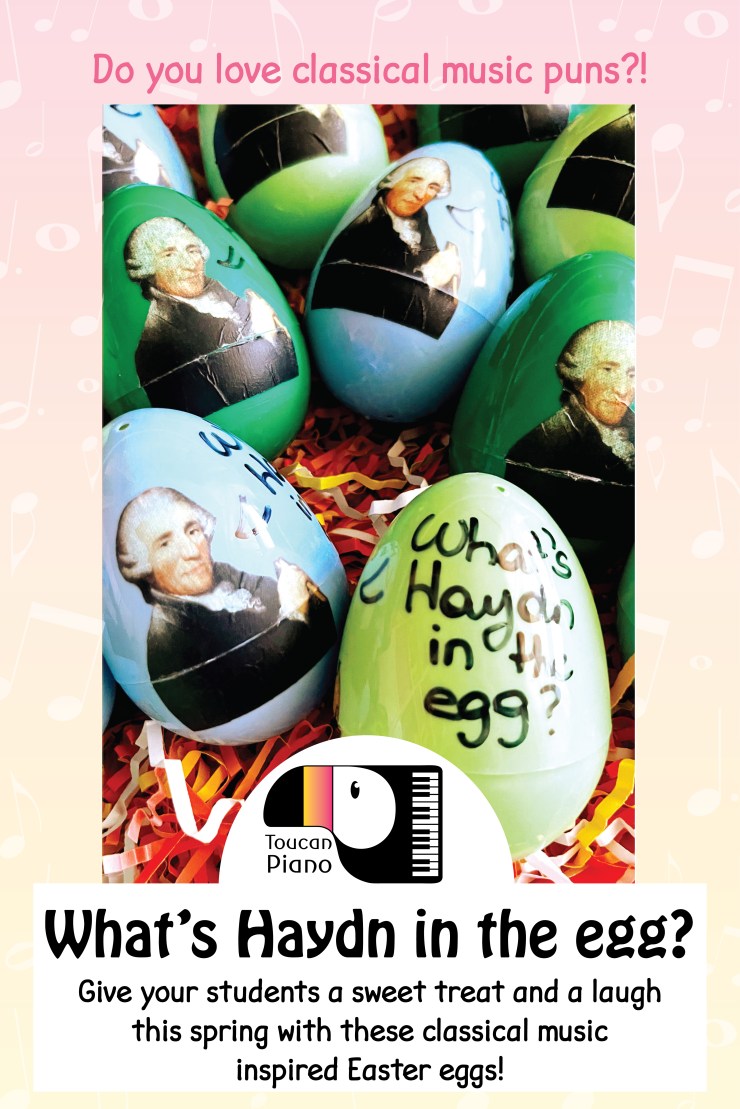
Each year I’ve been challenging myself to come up with different Easter egg crafts to hand out to my students before our Spring break. Last year I made music note eggs which were a big hit! This year our recital theme is Joseph Haydn so I decided to make a classical music pun egg for my students to 1) help them remember how to properly pronounce Haydn’s name and 2) get a chuckle out of them.

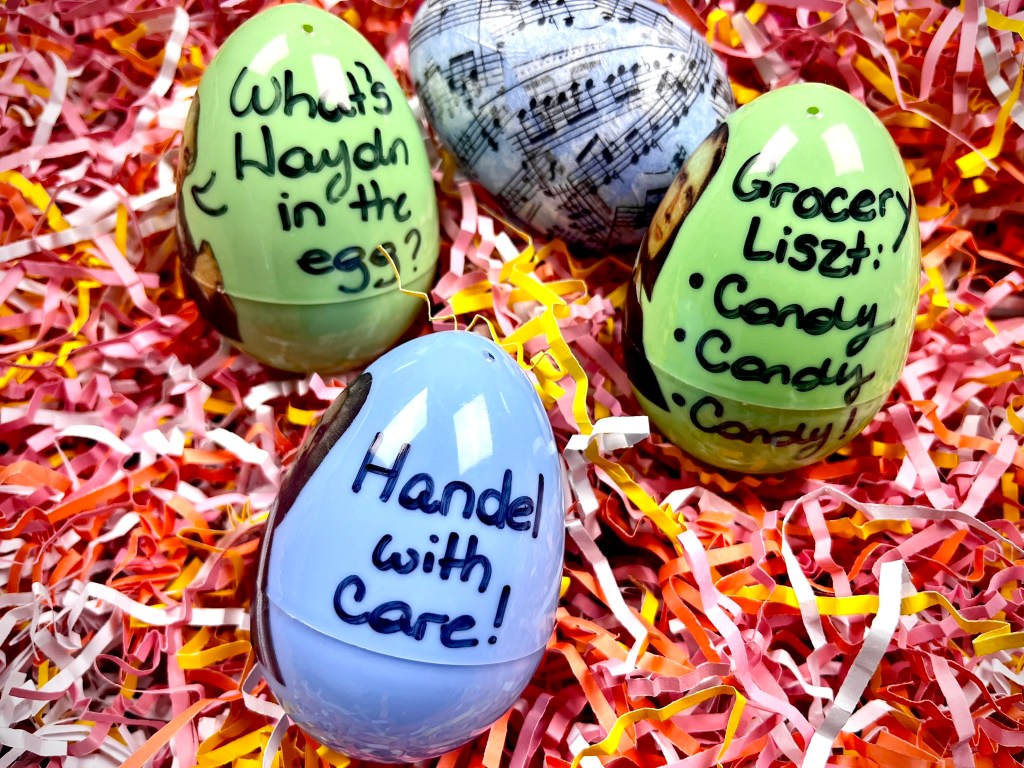
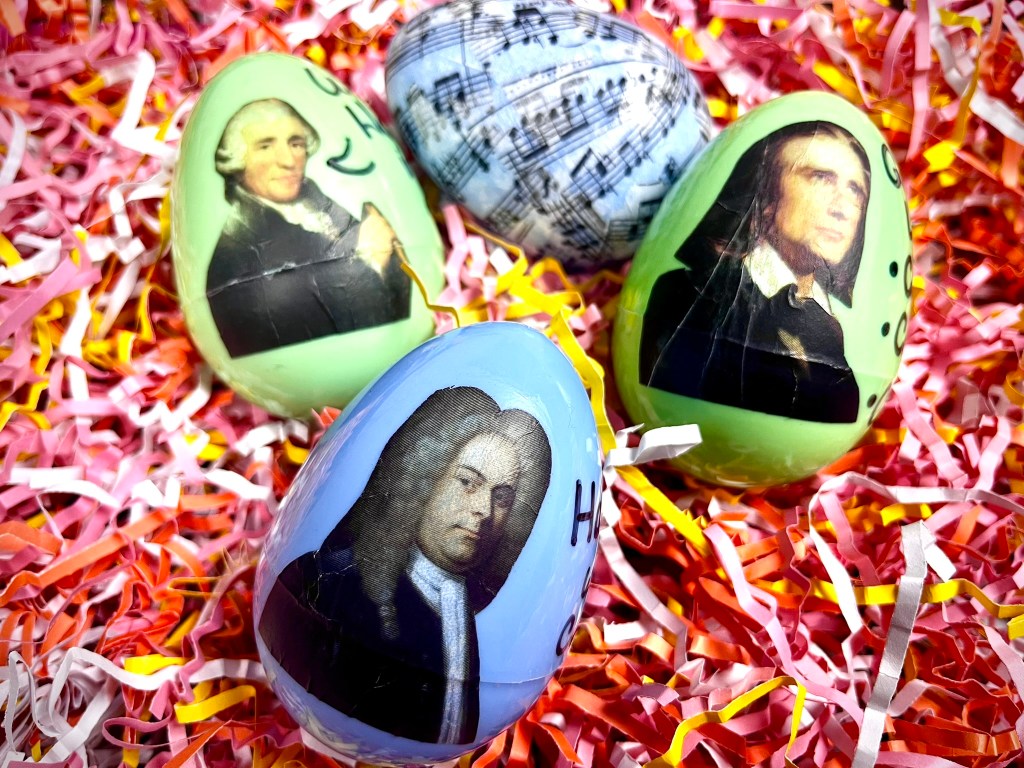
Four composer easter eggs with Haydn, Liszt and Handel sit in a pile of pink fake grass.

They are easy and cheap to make which is always a winning combo in my book! I even took it a step farther and made a couple of other designs just for fun. The possibilities are truly endless with this craft!

For this craft you will need:

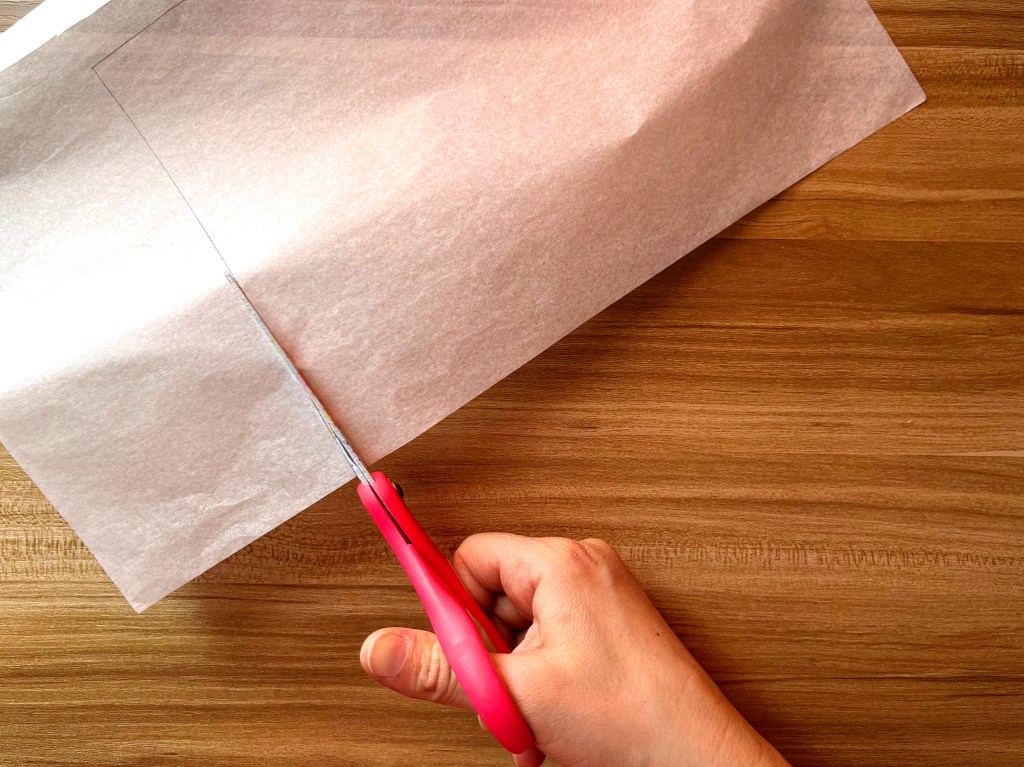
Take a piece of copier paper and place it on top of a sheet of tissue paper. Using a pencil, gently trace the outline of the copier paper onto the tissue paper. Cut the tissue paper along the lines you traced. The tissue paper should now be the same size as the copier paper.

A person traces a the outline of a sheet of copier paper onto a sheet of white tissue paper using a green mechanical pencil.
A person cuts a sheet of white tissue paper using a pair of pink scissors.

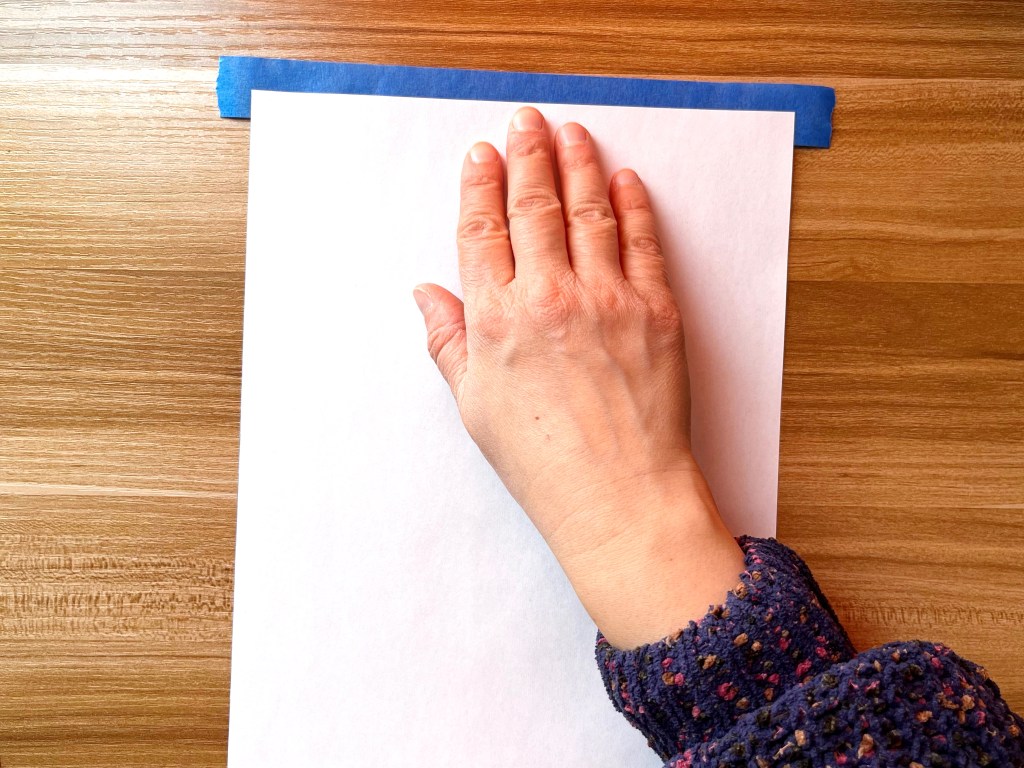
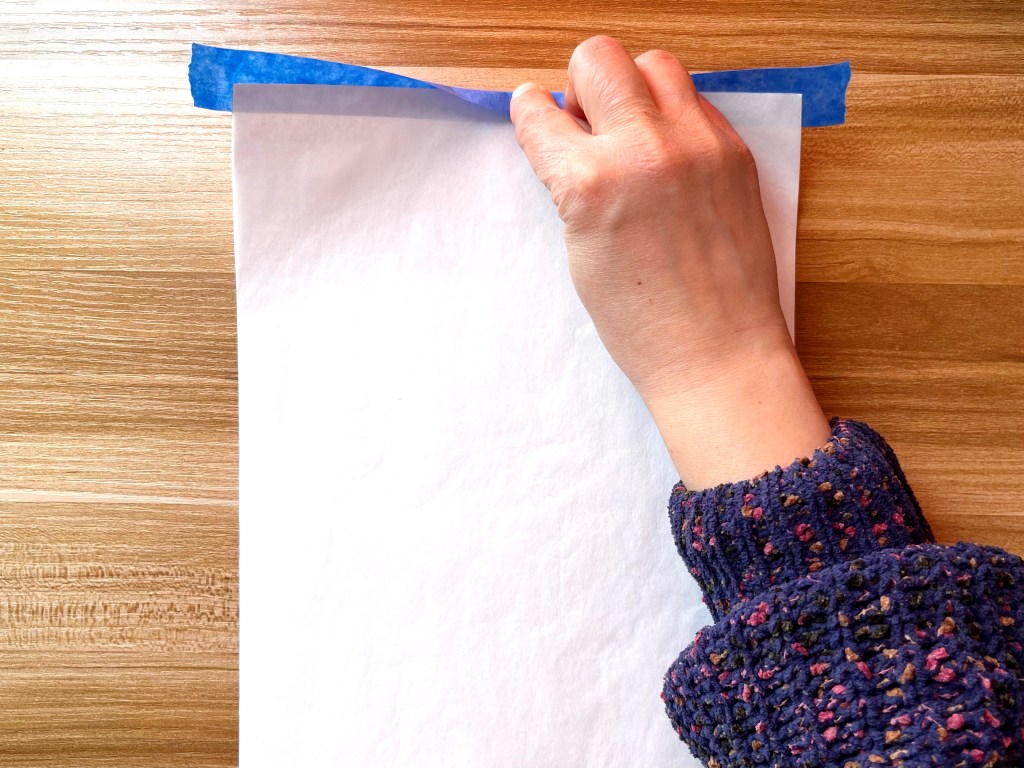
Place the tissue paper on top of the copier paper and tape the top edge of the papers together (this will give the tissue paper stability when it runs through the printer). I used painter’s tape but any tape will do. Trim any excess tape off the edges of the papers.

A person tapes together a sheet of copier paper and a sheet of white tissue paper using blue painter's tape.
A person folds over a strip of blue painters tape to secure two sheets of paper together.

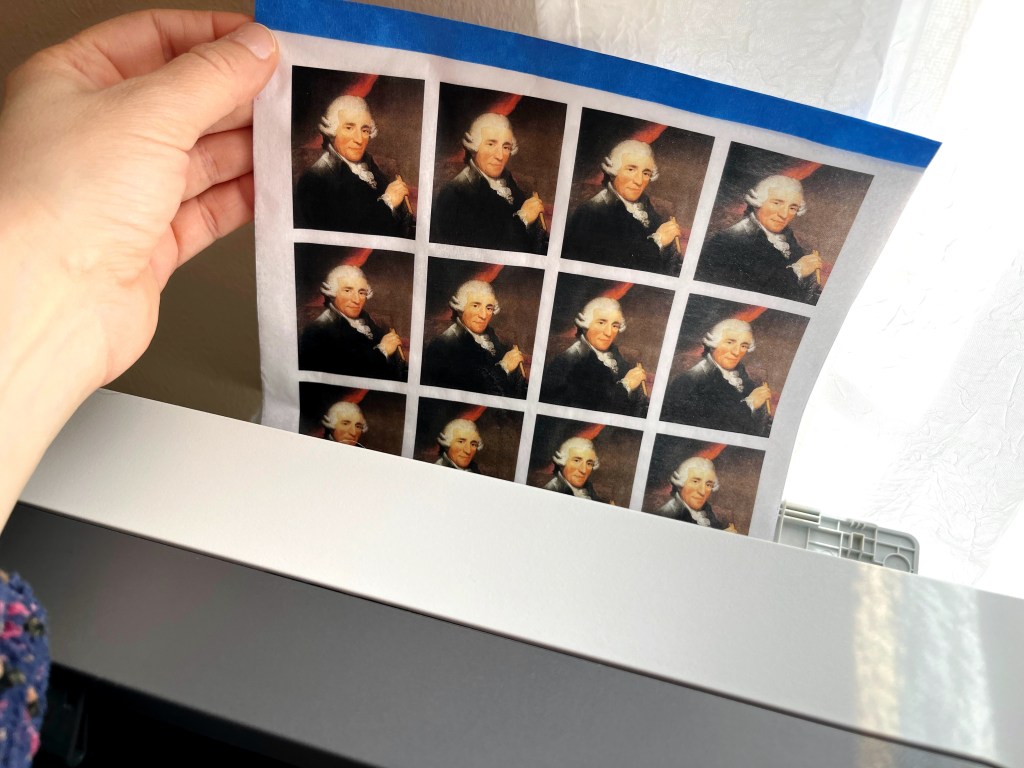
Feed the taped edge of the papers into your printer and print out your design onto the tissue paper.

Paper is feed into a laser printer.
A sheet with mutliple images of the classsical music composer Joseph Haydn exits a printer.

Cut out the designs carefully.

Multiple images of classical music composer Joseph Haydn lay on a wood desk.

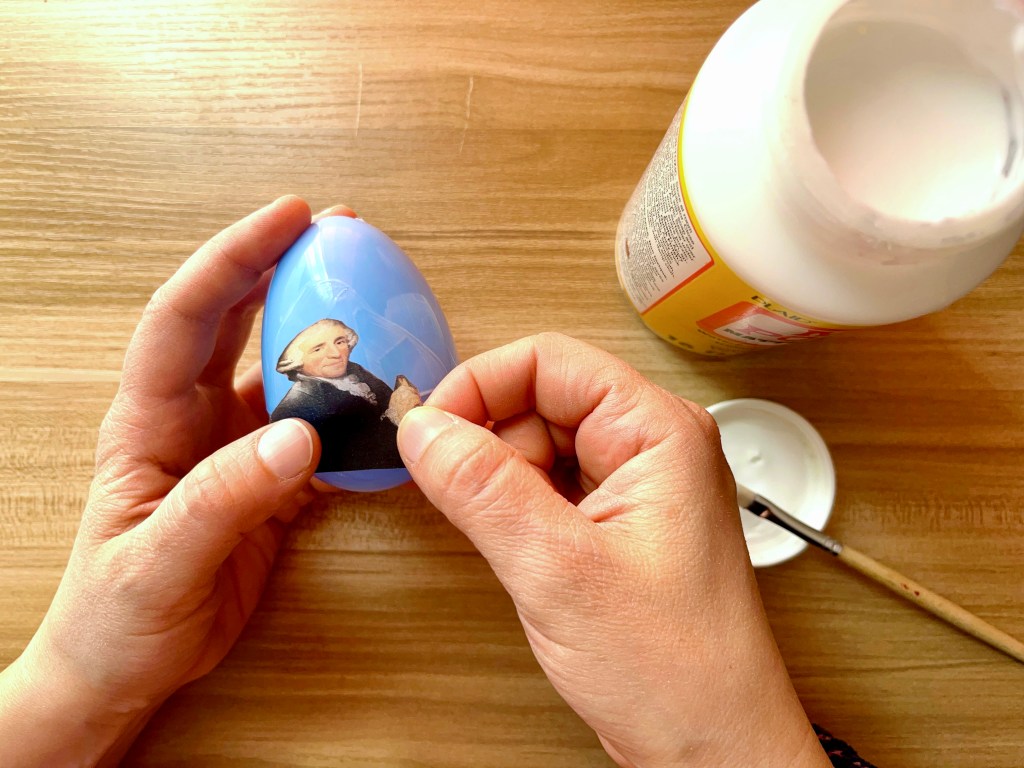
Apply a coat of Mod Podge to the area of the plastic egg where you will be placing the design. Place the design onto the egg.

A person applies a layer of Mod Podge to a light blue plastic easter egg.
A person glues an image of Joseph Haydn to a blue plastic easter egg.

Gently tap the design into place and apply a layer of Mod Podge on top of it to seal it. Set the egg aside to dry.

A person taps the image of Joseph Haydn onto a blue plastic easter egg.
A person seals the image of Joseph Haydn onto a blue plastic easter egg using Mod Podge and a paintbrush.

Once the egg is dry, take a Sharpie and write your message on the egg. In my case I wrote: “What’s Haydn in the egg?”

A person writes a on a blue plasitc easter egg using a black Sharpie permanent marker.

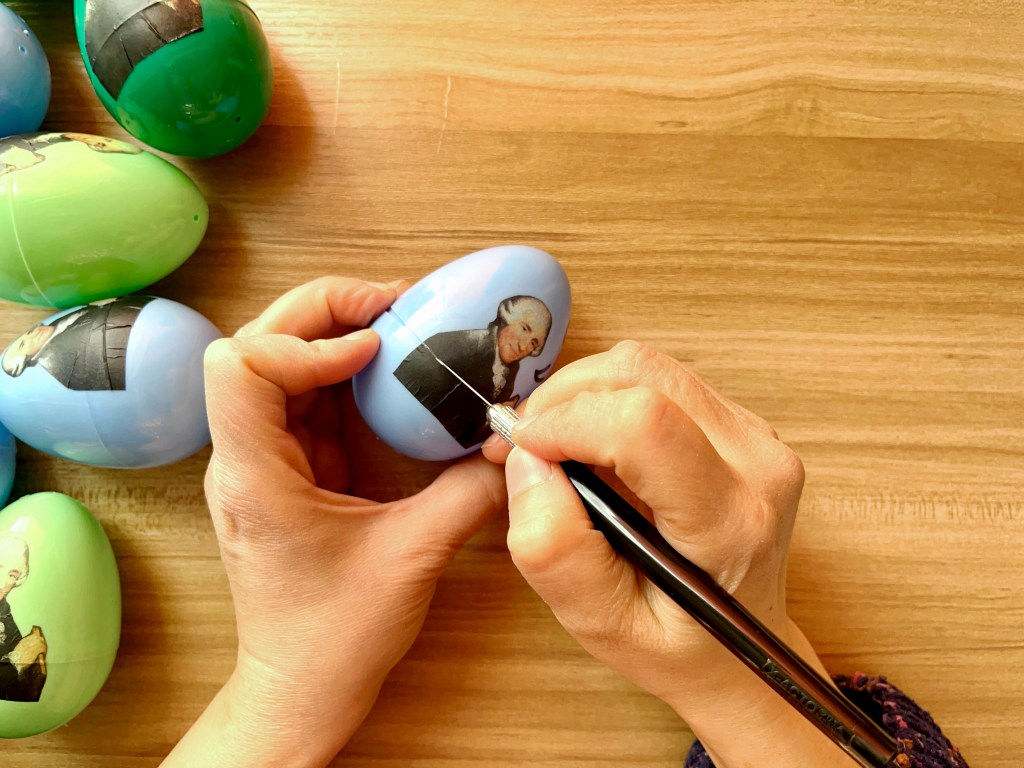
Gently pop the egg and carefully cut the design where the seam of the egg has been glued shut using the X-acto knife (utility knife). Then fill the egg with goodies!!

A person cuts the image of Joseph Haydn along the seam of a blue plastic easter egg using an xacto utility knife.
A person fills a blue plastic easter egg with candy.

I loved my Haydn egg so much I decided to experiment with a few other designs for fun! One with sheet music and two with composer puns: “Grocery Liszt: Candy, Candy, Candy!” and “Handel with care!

Classical music pun on plastic easter eggs sit in a pile of pink grass.

Explore more creative teaching ideas
  • Top Practice Tools Every Piano Student should Have: Curiosity
    Curiosity is the catalyst that gets students to start learning the piano in the first place and can be exactly what’s needed to keep them going for the long haul. Why is it so important and how do we keep it going? What if I don’t play an instrument, but want to encourage my child in their practicing? Check out all the answers plus download a free printable for parents!
  • Compose a Ringtone
    Ringtones are helpful but what if we could make them special too?! This is a fun and quick project that even the most reluctant students can get behind. Plus it makes a sweet Mother’s or Father’s Day gift!

Let’s stay in touch, join the list!

As a “toucan” of our appreciation download a free set of note flashcards (link in our Welcome email)!

Processing…
Success! You're on the list.

We are a participant in the Amazon Services LLC Associates Program, an affiliate advertising program designed to provide a means for sites to earn advertising fees by advertising and linking to Amazon.com. As an Amazon Associate we earn from qualifying purchases.

Plastic Egg Music Notes

I recently came up with the idea of making music notes out of plastic eggs. I made them as Easter gifts for my students (I put a few pieces of chocolate and candy inside each one). They all loved them! And they were super affordable to make (which is important when you have a lot of students!).

I ended up having so much fun making them, I not only made one for each of my students but also made a bunch for myself. And that’s because my mind was swimming with ideas on a variety of different ways to use them:

  • gifts for students as they head off for summer vacation
  • music teacher gift (make some for your child’s school music teacher and fill them goodies!)
  • music theory games (more on that is a future post!)
  • kid’s craft for a music-themed summer camp
  • decorations for your piano studio or music room

There are so many possibilities! And bonus… they are SO easy to make. Here is a video showing the whole process:

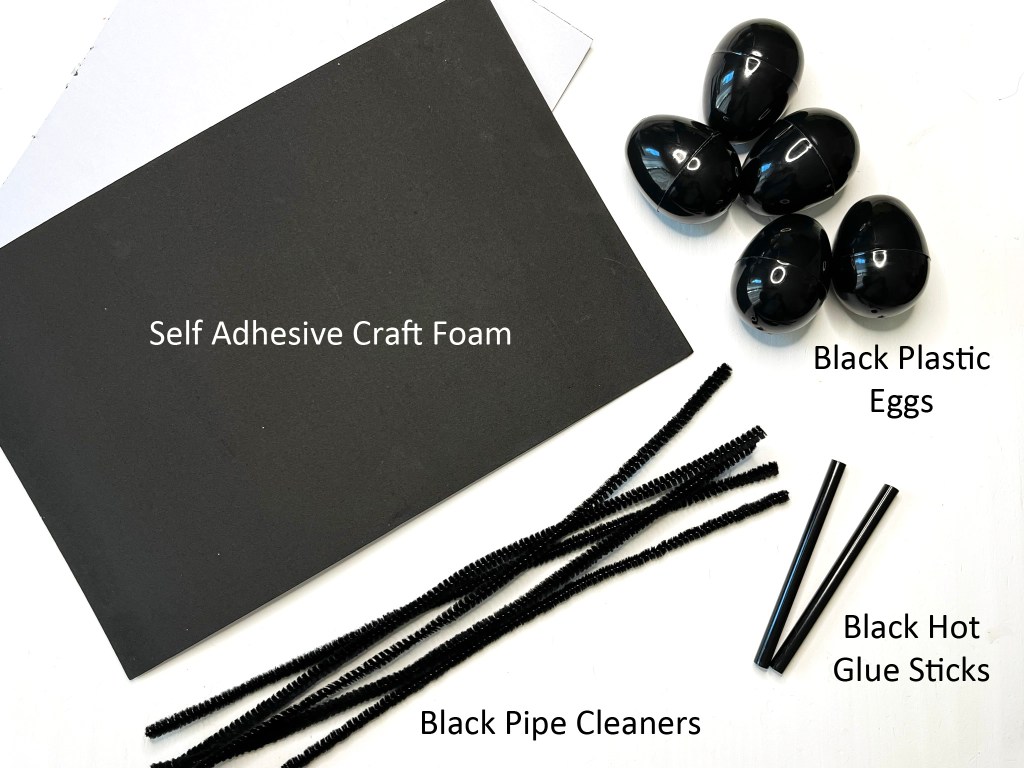
To make your own plastic egg music notes, you will need:

Black self adhesive craft foam sheets, five black plastic eggs, a bunch of black pipe cleaners, and two stick of black hot glue sit on a white table.

Whatever plastic eggs you decide to use (I think colorfully ones would be so adorable, too!), remember to look for plastic eggs that have two holes in the bottom (the wider half of the egg).

Hands hold the halves of a black plastic egg

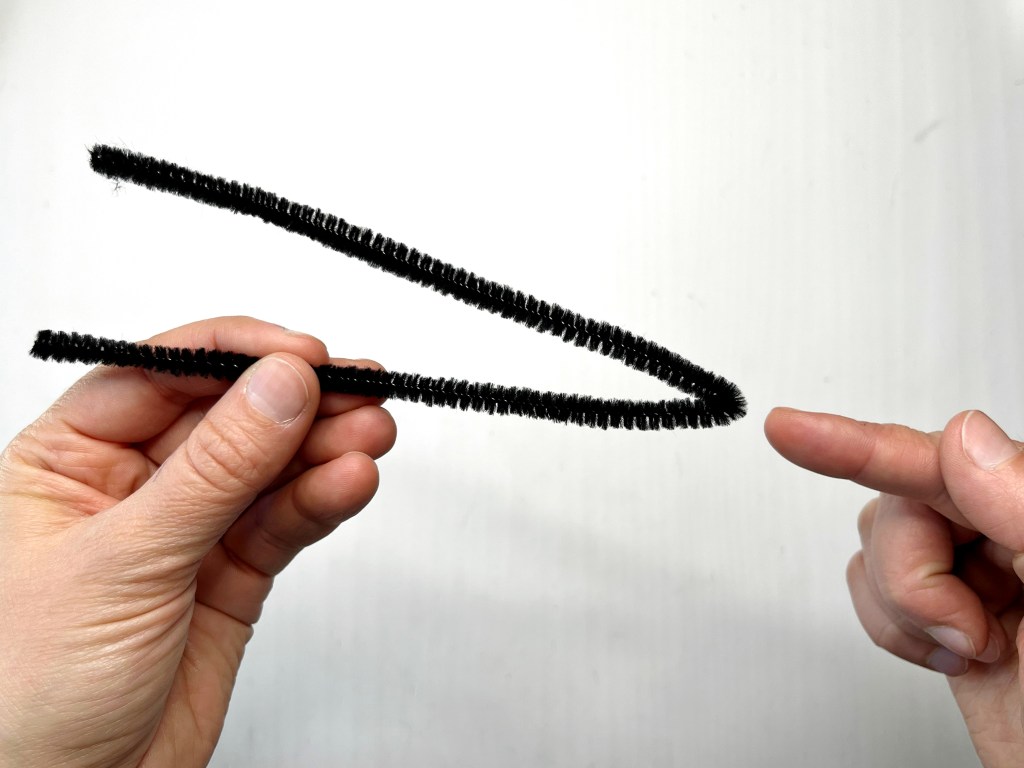
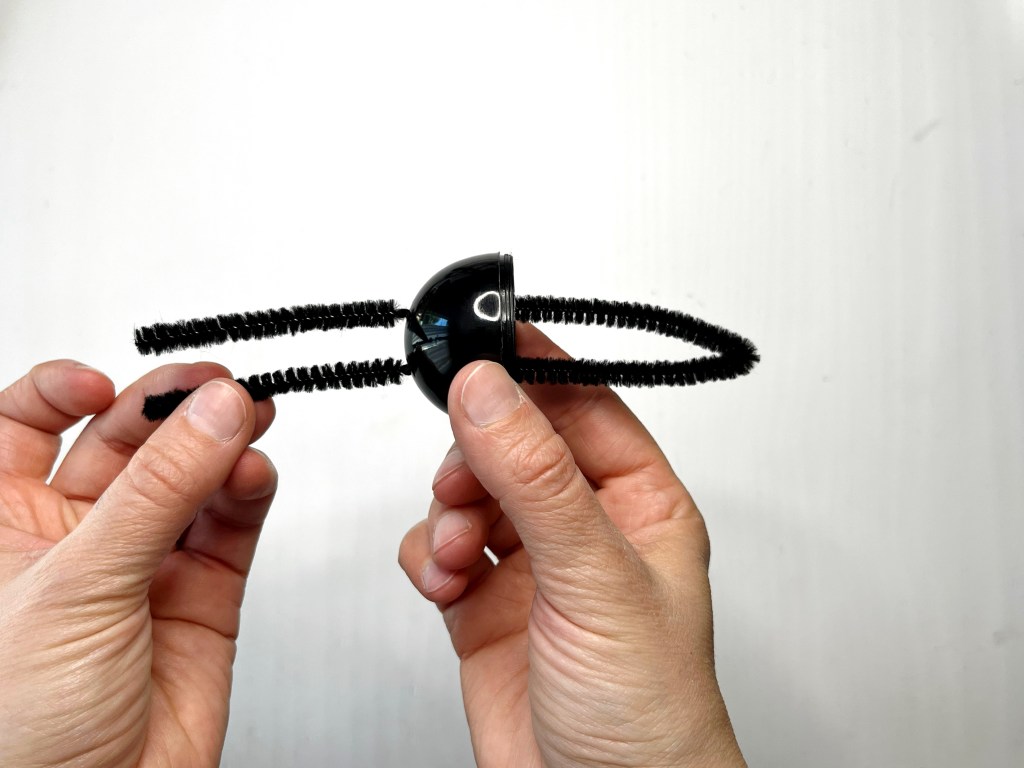
Fold one of the pipe cleaners in half and thread the two ends of the pipe cleaner through the holes in the bottom half of the plastic egg. Make sure to start on the inside of the egg so the ends of the pipe cleaner are on the outside of the egg.

A black pipe cleaner has been bent in half and a hand points to the bend.
A black pipe cleaner is threaded through the holes in the bottom of a black plastic egg

Pull the ends of the pipe cleaner through and twist them tightly against the egg. You may want to push the pipe cleaner on the inside of the egg so that it is flush on the inner wall of the egg.

Then twist the two ends of the pipe cleaner together from the base of the egg all the way up to the ends of the pipe cleaner.

A black pipe cleaner is twisted to the bottom of a black plastic egg
Half of black plastic egg is held up to show how a black pipe cleaner was attached to the end of the egg

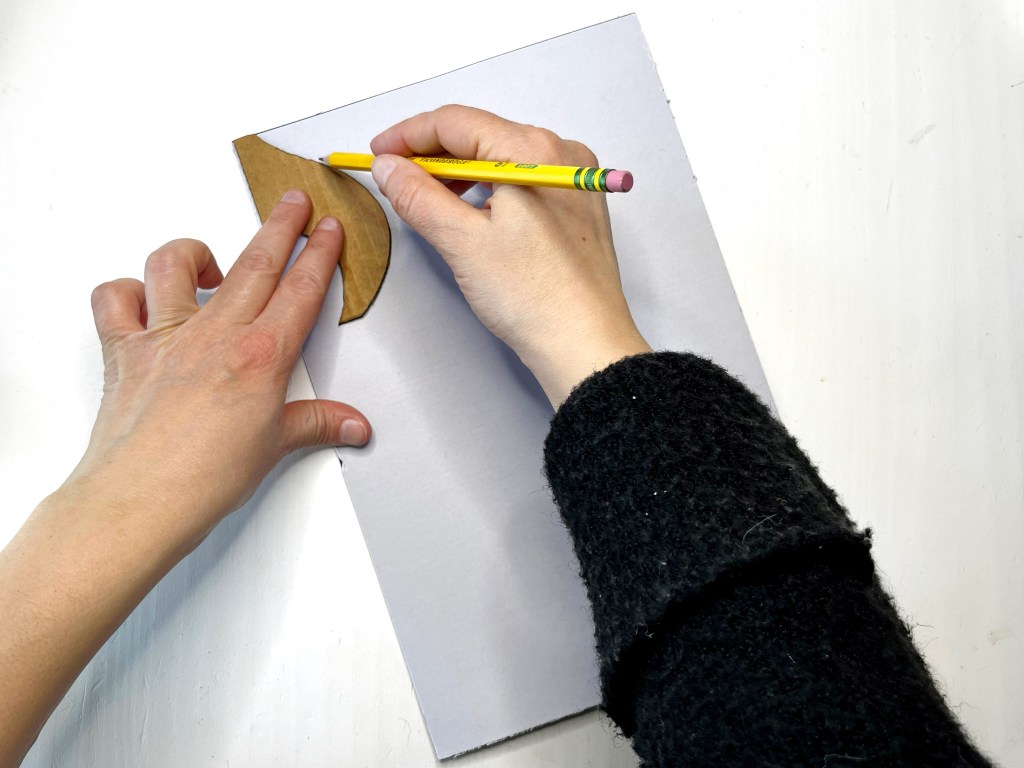
Since I was making a bunch of music notes, I made an eighth note flag stencil out of cardboard. I traced the flag onto the back of self-adhesive craft foam. Then I flipped the stencil over to get a mirrored image of the flag and traced the flag again. I was able to stencil 12 flags onto a single sheet of self-adhesive craft foam.

Hands trace an eighth note flag cardboard stencil onto the backing of a sheet of self-adhesive craft foam
Hands trace a second eighth note flag cardboard stencil onto the backing of a sheet of self-adhesive craft foam

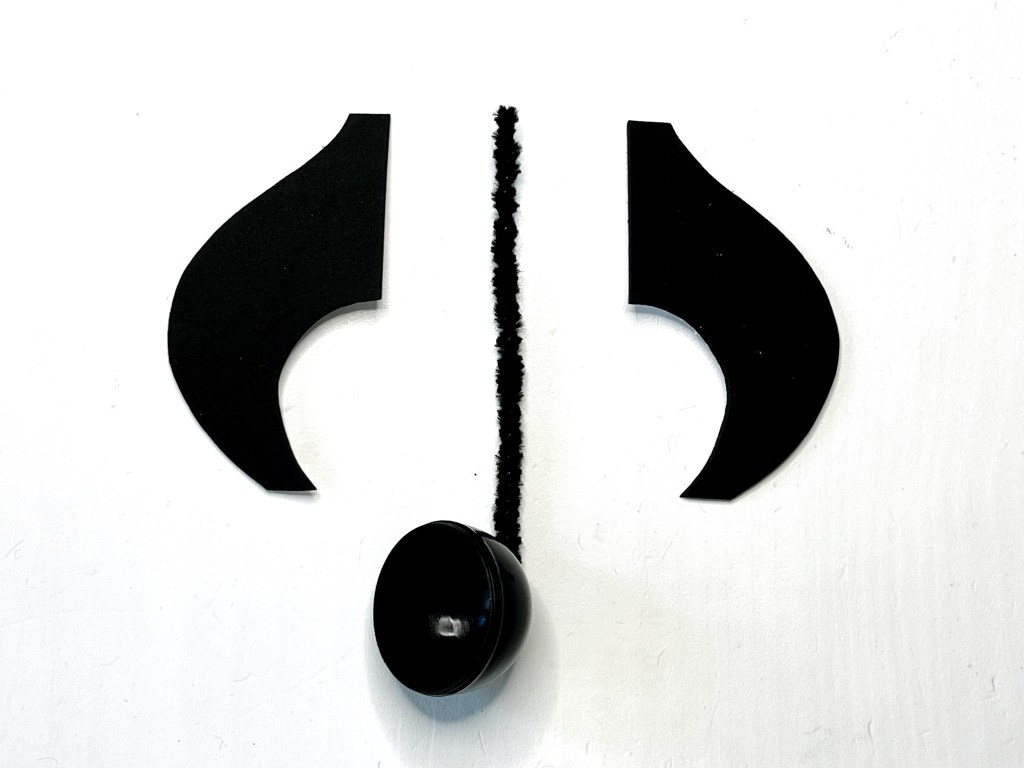
Cut out the flags. It is now time to assemble the three parts of the music note!

Half of a black plastic egg with a black pipe cleaner attached to it sit between two black eighth note flags made of self-adhesive craft foam

Bend the pipe cleaner about an inch from the top. This will provide a secure connection point for the craft foam.

Hands bend a black pipe cleaner

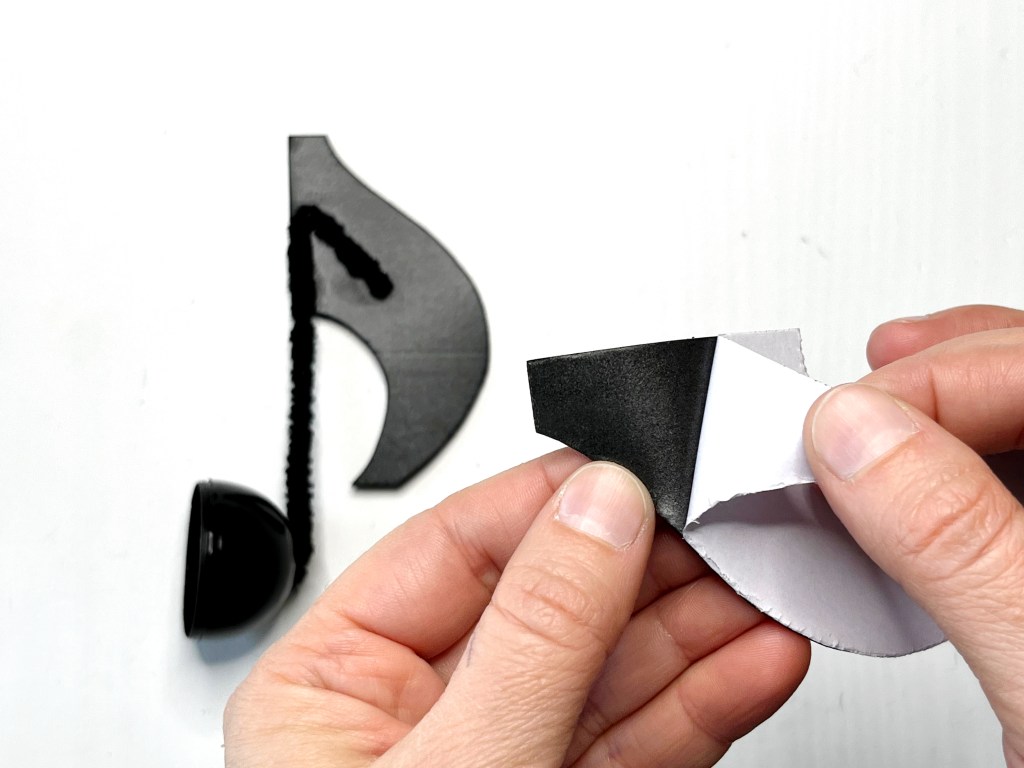
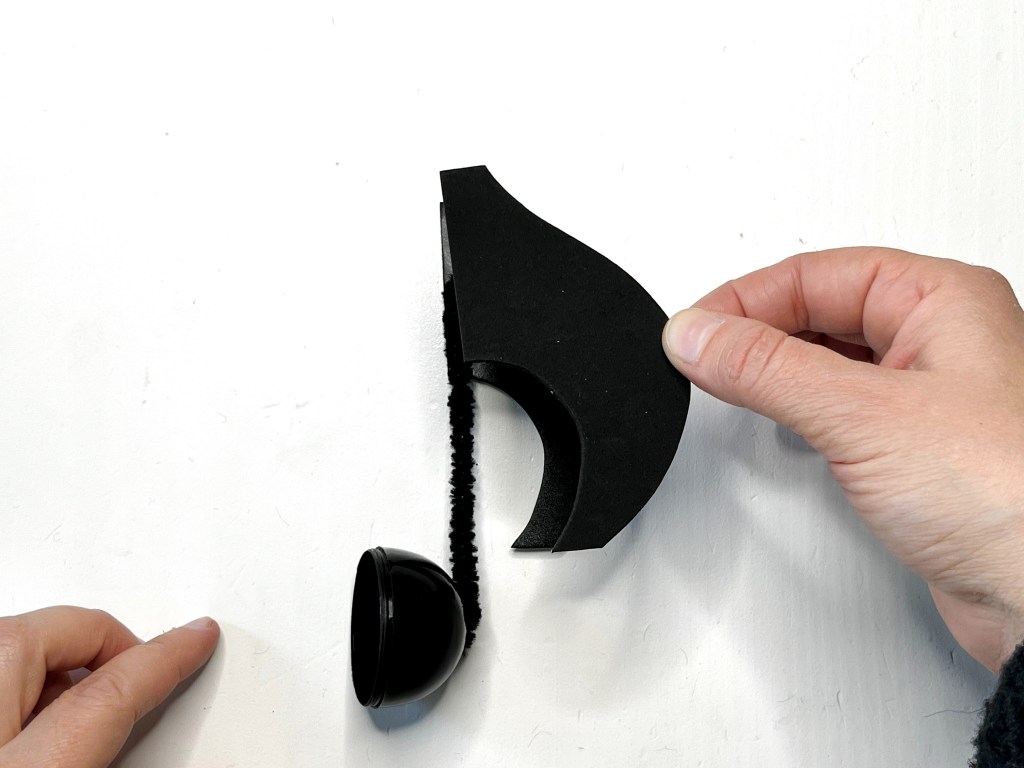
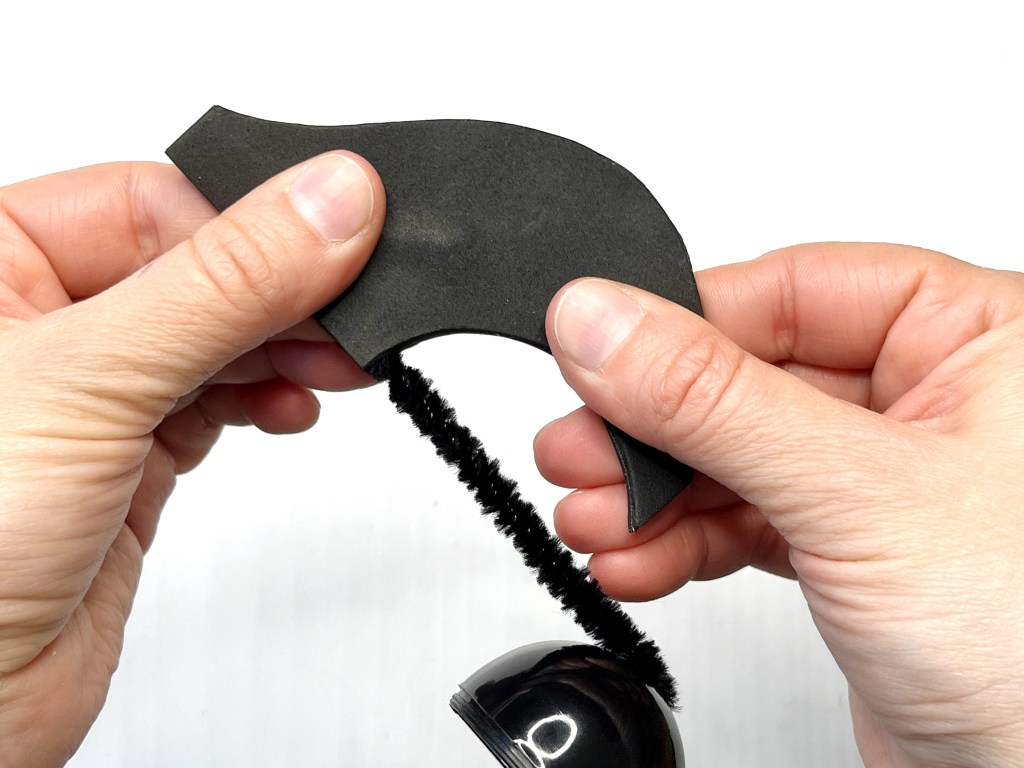
Peel back the paper backing from one of the craft foam flags. Press the bended end of the pipe cleaner against the sticky side of the craft foam. Make sure that the stem of the note is along the edge of the flag but still sticking to the flag.

Hand peels the white paper backing off of black self adhesive craft foam
A pipe cleaner is placed on the sticky side of black self adhesive craft foam

Remove the backing of the second craft foam flag and carefully lay the sticky side of the flag carefully onto the sticky side of the first flag. The pipe cleaner should be sandwiched between the two craft foam flags. Be careful when sticking the flags together… the adhesive is very sticky and once they touch, you cannot pull them apart without ripping the craft foam.

Hand peels the white paper backing off of a second black self adhesive craft foam
Two black self adhesive craft foam eighth note flags are glued together.

Press the flags together to secure everything together.

Hands press together two pieces of black self adhesive craft foam

This part is optional but if you plan to use the plastic egg music notes for games or as decorations, I would strongly suggest adding this step. My experience is that the craft foam tends to separate over time. It will hold together in the short term, but over time the craft foam flags will have to be pressed together again on occasion.

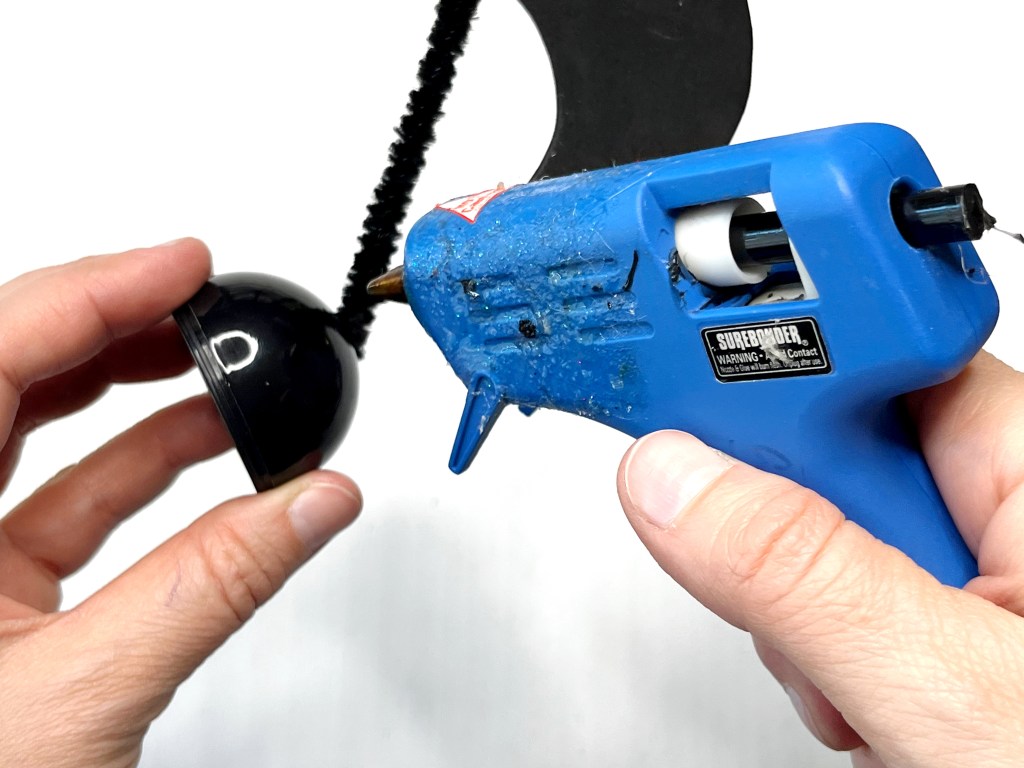
In order to make everything hold together in the long term, I suggest running some hot glue along the seams of the craft foam flags (at the edges where the two flags meet).

I also like to add a dot of hot glue at the base of the stem, where the pipe cleaner exits the holes of the egg, to help the stem stand up straight. The stem will usually stand up straight with a little adjusting, but the glue gives it a little extra support.

A hot glue gun loaded with a black hot glue stick applies glue to the edges of the plastic egg music note
A hot glue gun loaded with a black hot glue stick applies glue to the base of the plastic egg music note

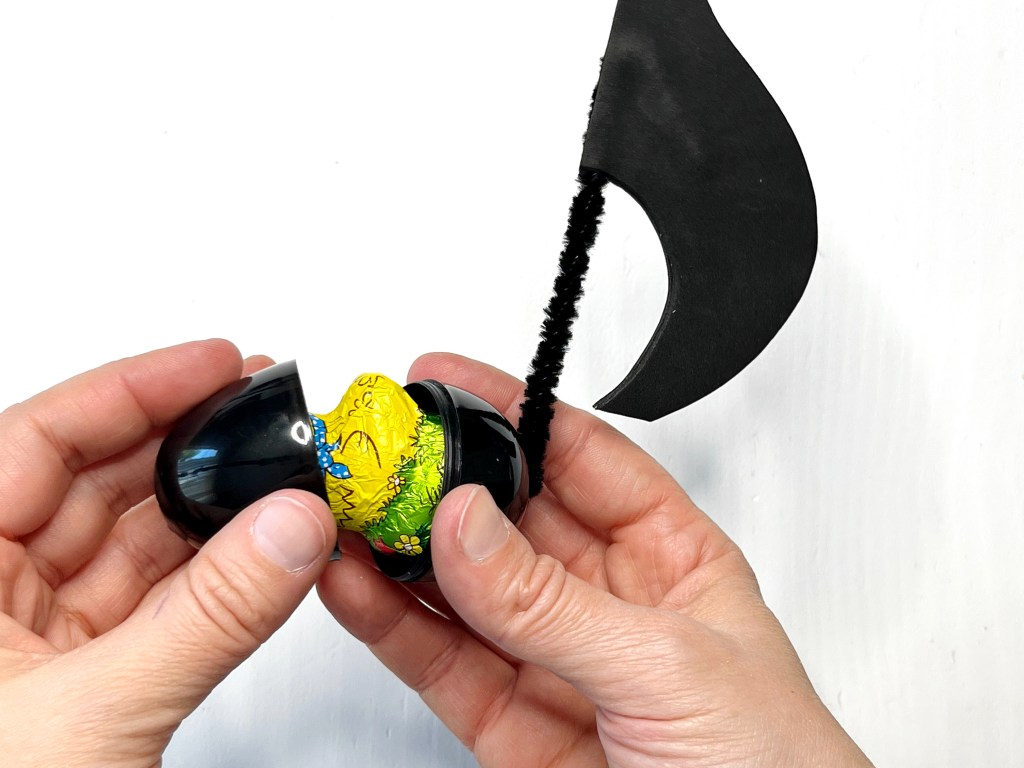
The plastic egg music note is all done and ready to be filled with some treats!!!

A plastic egg music note is loaded up with a piece of chocolate

Explore more creative teaching ideas
  • The Die of Destiny
    Sometimes  a student will walk into my studio without their usual bounce in their step. I’ve found that a little silliness and a dash of chance gets them in the mood to pull out their piano books and play music. The Die of Destiny is a fun and quick lesson starter to get students playing.
  • Compose a Ringtone
    Ringtones are helpful but what if we could make them special too?! This is a fun and quick project that even the most reluctant students can get behind.
  • Two Sides of the Same Coin
    A game about enharmonics that can be played in several different ways! Students will try to collect the most enharmonic pairs and hope that their coins don’t get stolen by another player.

Let’s stay in touch, join the list!

As a “toucan” of our appreciation download a free set of note flashcards (link in our Welcome email)!

Processing…
Success! You're on the list.

We are a participant in the Amazon Services LLC Associates Program, an affiliate advertising program designed to provide a means for sites to earn advertising fees by advertising and linking to Amazon.com. As an Amazon Associate we earn from qualifying purchases.
Music Ornament Craft

Every year I make an ornament for my students as a gift during the Holiday season. I try to make it music-related or a tie-in with a practice challenge we are working on in December. I gift it to them during our last lesson before our winter break. I love to hear how they use the ornaments on their trees every year and how they enjoy watching their collection grow! It always warms my heart!

This year I was inspired by an ornament I found on Pinterest (unfortunately it doesn’t appear to be available for purchase anymore on Etsy). I wanted to put my own twist on it and add a little more color and musical elements. I made a total of 40 ornaments and the final cost was roughly $1/ornament, including the use of coupons and store promotions (plus the time to make them. It did take me several hours, so that’s definitely a consideration to factor in!).

For this craft you will need:
– Vintage sheet music (I found some free vintage sheet music online and printed it out)
1 inch unfinished wood craft cubes
Mod Podge or white glue
– Stamp pad(s) of your choice (I used rich cocoa and gold)
Thin ribbon
Treble clef charms
Mini jingle bells (10 mm in diameter)
Mini red pom-poms (5 mm in diameter)
– Seasonal greenery (I chose glittery green leaves)
Hot glue gun and glue

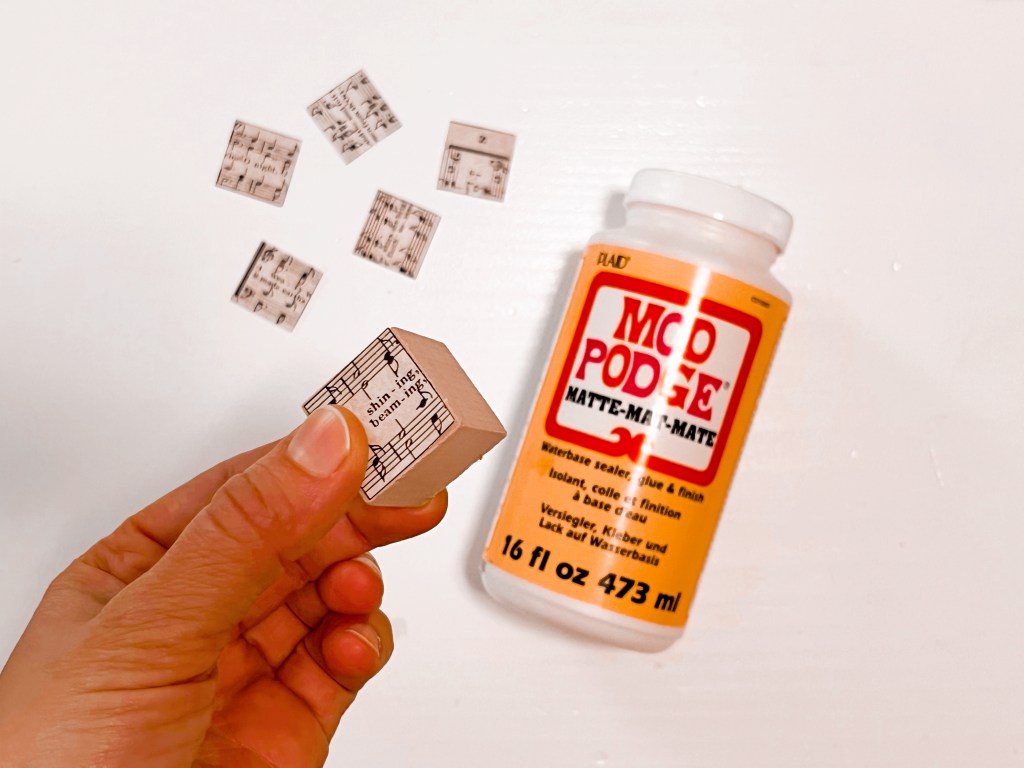
Cut the vintage sheet music into 0.95″ (2.40 cm) squares. You will need 6 squares per wood cube.

Use the Mod Podge (or white glue) to adhere the sheet music squares onto the sides of the wood cube.

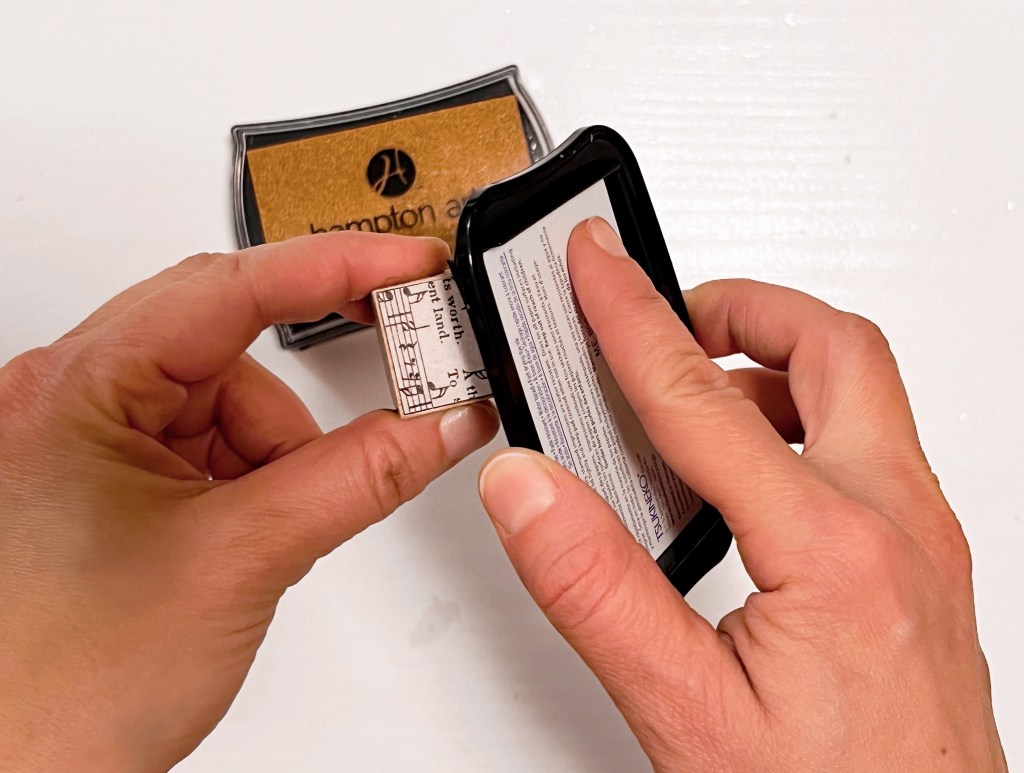
Once the glue has dried, use the stamp pad(s) to age the paper. I started with the rich cocoa stamp pad, lightly working from the edges inwards. I did all six sides, then went over the cube a second time, this time with the gold stamp pad to give it more depth (and this is the point that my fingers became a rich cocoa in the pictures! lol).

I decided to seal the ink with a layer of Mod Podge for added protection. This step is optional, but it does give the cube a nice shine, so I was happy to put in the extra time.

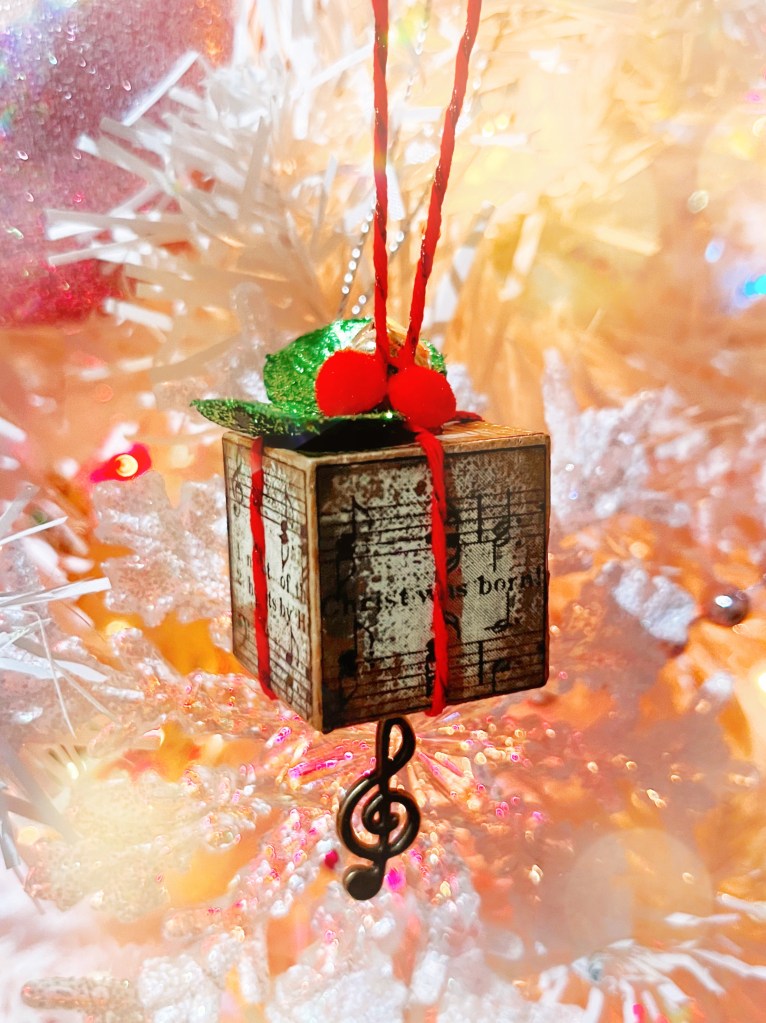
String the treble clef charm through the ribbon and wrap the ribbon around the cube like you would wrap a ribbon around a present. Make sure that the charm stays on the side that you want to be the bottom. I added a dot of hot glue to secure the charm to the bottom of the cube. Tie a knot at the top of the cube, making sure that the ribbon is taut against all the sides of the cube.

Then tie a knot with the ends of the ribbon to create a large loop with which to hang the ornament to the tree.

Add embellishments, such as greenery, pom-poms, and a mini jingle bell, to the top of the cube using hot glue. Try to distribute the embellishments in a way to hide the knot on the top of the cube.

The music ornament is all done! I made mine in three different colors: green, red, and blue. I was so happy with the way they turned out. I can’t wait to give them to my students!

Let’s stay in touch, join the list!

As a “toucan” of our appreciation download a free set of note flashcards (link in our Welcome email)!

Processing…
Success! You're on the list.

We are a participant in the Amazon Services LLC Associates Program, an affiliate advertising program designed to provide a means for sites to earn advertising fees by advertising and linking to Amazon.com. As an Amazon Associate we earn from qualifying purchases.