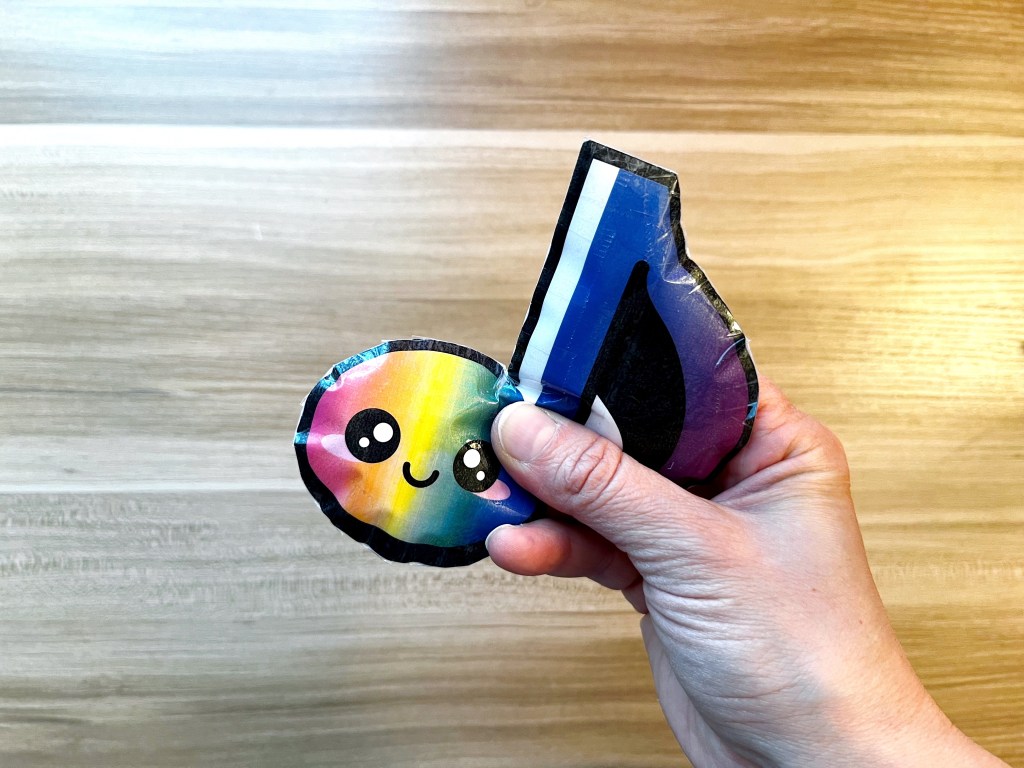
Performance Practice – Part 2: Internal Distractions

Practicing any skill, be it the piano, math, reading, or anything we are trying to get better at, requires us to think deeply and focus our minds on the task at hand.

Internal distractions are thoughts that pop into your mind that take your attention away from what you are doing. Sometimes the thoughts are helpful but sometimes they aren’t… and when they aren’t, they can quickly escalate into more thoughts and even result in physical reactions from our bodies (for example, cold hands, racing heart, butterflies).

Imagine that thoughts are the branches on a tree. The mind is a monkey that jumps from branch to branch all day long without stopping. As you can imagine, a monkey would get tired from all this jumping… and so do our minds! And when our minds are tired and distracted, they convince us not to do the things we should.

Practicing requires focus because it is deep work. We need to learn to control the inner chatter and calm our minds. Unfortunately, there is no quick fix for internal distractions, it takes time and consistent effort to overcome them.

In part 1 of this performance practice series, we talked about external distractions and how to minimize them. Let’s now talk about different types of thoughts and how we can manage them.

  1. The Busy Mind
    1. Meditation: Focus on your Breath
    2. Write it Down: Get those Thoughts out of Your Mind!
    3. Show them the Door: In and Out
  2. The Tired Mind
    1. Play Something you Enjoy
    2. Take Frequent Breaks
    3. Try it for 5 Minutes
    4. Focus on One Important Thing
  3. The Unhelpful Mind
    1. Be your own Best Friend
    2. Triple R Exercise: Record, Rationalize, and Replace
  4. References
  5. Coming up Next!
  6. Let’s stay in touch, join the list!

The Busy Mind

The Busy Mind has lots of thoughts all the time.  It loves to make sure we are always thinking about everything we need to do and how we are going to do it (for example, our mind might remind us that we have to do the dishes or that we need to get a birthday present for a friend).

Our minds should not be storage units for to-do lists, schedules, or plans. Our minds should be a place to dream up ideas, be creative, and learn interesting things.  And when it comes time to practice we should put all our focus on working on our pieces. So what can we do about it?

Meditation: Focus on your Breath

Stopping the internal chatter before starting to practice is so important! Your practicing will only be effective if your mind is actively involved in the process.

A great way to calm your mind is to spend a few minutes doing meditative breathing before starting to play. You do not have to be a Zen master to practice meditative breathing. Find a quiet place, sit comfortably, set a timer for 5 minutes, close your eyes, and focus your attention on your breath. Notice how the air flows into your body. Feel the breath leave your body as you exhale. If a thought pops into your mind, observe it without interacting with it, and return your focus to your breath.
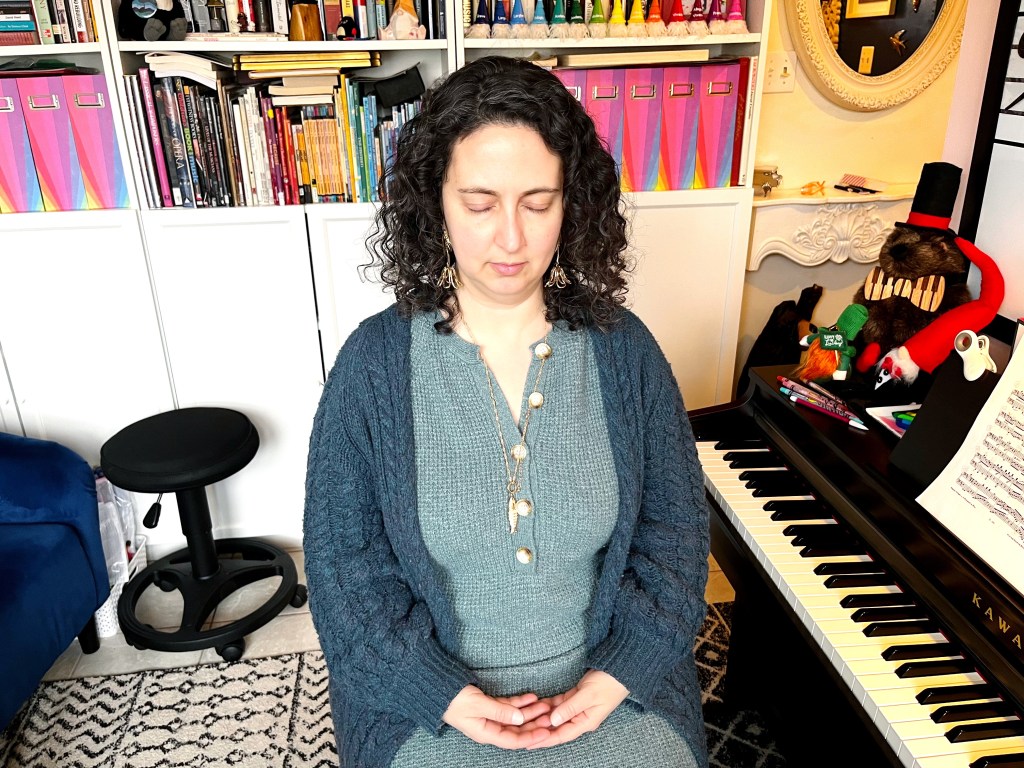
A piano student meditates at the piano.

A great technique to try is Square Breathing. Draw a large square on a piece of paper. Place your finger on a corner of the square. Inhale slowly while slowly moving your finger along the side of the square. When you reach the next corner, hold your breath while your finger traces the next side of the square. At the next corner, start exhaling slowly while moving your finger along the third side of the square. At the last corner, hold your exhale while your finger traces the last side and returns to the corner you started on. Repeat the exercise a few times, focusing your mind on your breathing.
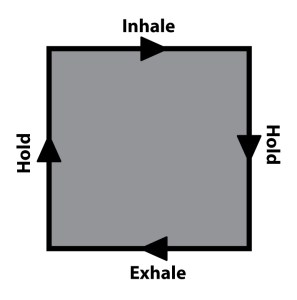
A graphic illustrating square breathing. A square is circumscript by the words inhale, hold and exhale.

Square breathing is a technique I have my students practice, but I tell them to use their piano book instead of a square. As they sit in the audience waiting for their turn to perform, I encourage them to trace the outline of their piano book while breathing.

Students have reported back that it really helped center them before performing. Some commented that they did this exercise when the person right before them was performing. It helped keep them calm when they knew they were up next!

Write it Down: Get those Thoughts out of Your Mind!

It can be enormously frustrating to be playing a passage in your music and suddenly have your mind point out that you need to feed the dog! Your concentration is now gone and you have to bring your mind back to the music, which takes mental energy to do.

An interesting thing happens when we write things down though… the mind stops obsessing over what it wants us to remember! The simple act of writing the thought down puts the mind at ease, frees up mental space, and allows the mind to move onto other thoughts.
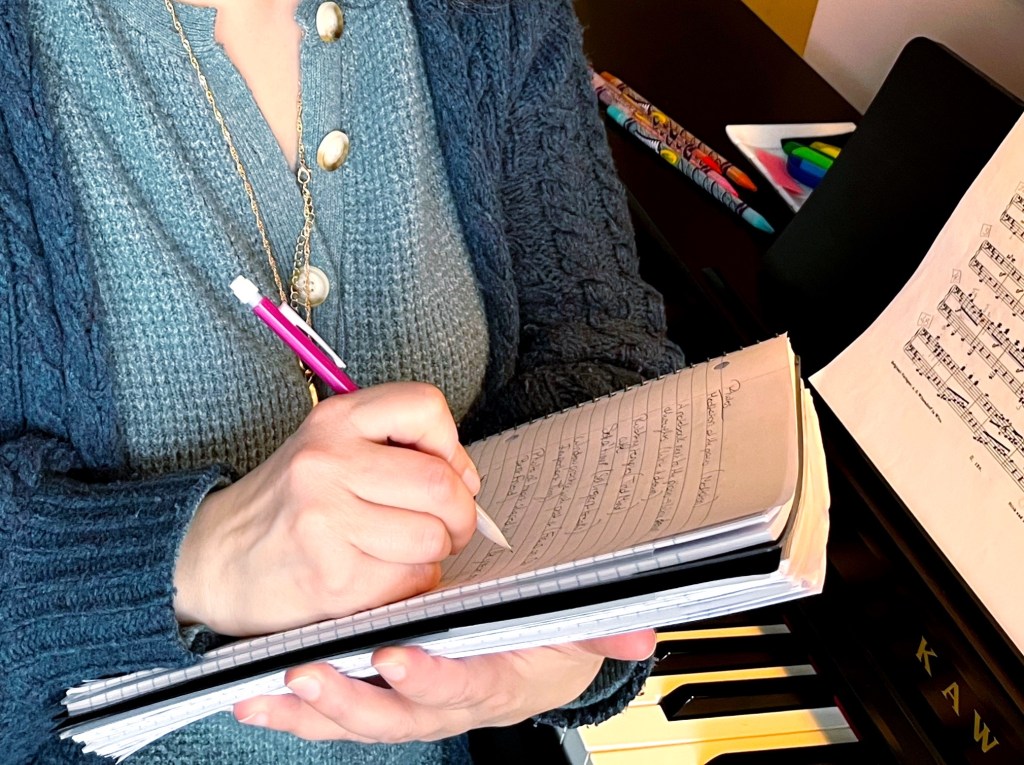
A piano students writes down their thoughts in a notebook with a pink pencil while sitting at the piano.

Have a piece of paper or a notebook with you at the piano. Before you begin practicing (or if your mind interrupts you while playing), write down any thought that your mind is trying to help you remember.

Show them the Door: In and Out

When we are focused on work, our minds can often try to distract us by throwing random thoughts into our mental space. From the “I wonder what’s for dinner?” to the “I can’t believe my friend said that!”, the brain is trying to hijack our concentration for a quick thrill (who doesn’t get excited about eating some good food?!).

When these random thoughts pop up, imagine that your mind is a revolving door. The thought comes into your mind and immediately leaves through the other side of the door.

A revolving door illustrates the idea of thoughts entering and exiting the mind without being processed.

We can watch the thought come and go without focusing our attention on it. This will allow us to continue playing our music without having to re-focus.

The Tired Mind

The Tired Mind has been working hard on intense mental activities. It has run a marathon and now it doesn’t even have energy for a short walk. When we are physically tired, a good night’s rest usually resets our bodies and allows us to wake up with renewed energy. But that may not always be enough when our minds are tired…
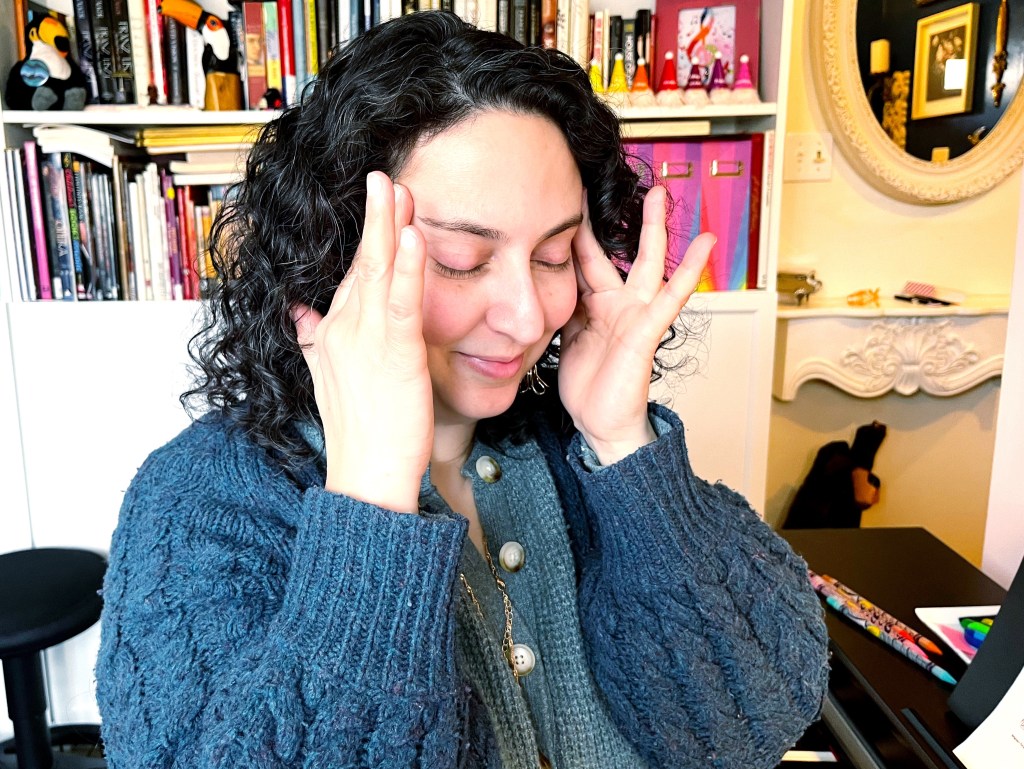
A tired piano student rubs the temples of her head with her fingers.

A Tired Mind might be more forgetful, stressed, easily distracted, unmotivated to do things, or irritable. When your mind is tired it’s going to try to convince you not to do the things you need to do.

Unfortunately, we can’t always take a mental vacation from our responsibilities, especially when we have a deadline to meet, like an upcoming recital. But we can be gentle and kind to ourselves and still make progress in our practicing even when we don’t feel like playing.

Play Something you Enjoy

Before starting to practice, spend a few minutes just playing music you love! A famous quote states that “Music is a balm for the soul,” it has the power to soothe us and lift our spirits. So play for the pure pleasure of making beautiful music. It will put your mind in a more peaceful, happy, and energized place to start practicing.

Take Frequent Breaks

If we have a lot to work on, it is important to take frequent breaks. A timer is great for this type of practice. Determine how long you want to practice before a break (for example, 20 minutes) and how long each break will be (for example, 10 minutes). Then set the timer and start practicing. When the timer goes off, set a timer for your break period and walk away from the piano. Return to practicing when the timer goes off. Repeat this routine as many times as needed. (I love this cube timer, check out this blogpost for more ways to use it!).

A piano student sets a 15 minute timer on the piano.

Try it for 5 Minutes

We can do most things if we tell ourselves we’ll only do it for 5 minutes. Sit down at the piano and set a timer for 5 minutes. Play through your recital pieces without stopping for 5 minutes. During that time you will notice parts that need work and parts that you have mastered. When the timer goes off, evaluate how you are feeling. Most times you will feel ok to keep going, so continue to practice, this time working more intentionally on a passage that still needs work. If after the 5 minutes you still feel tired, give yourself grace and walk away from the piano content in knowing that doing something is better than doing nothing at all.

Focus on One Important Thing

If we don’t have a lot of time to practice or our mind is tired, we want to make our practice time as meaningful as possible. Pick something in your piece that is important or that you find difficult (for example, a passage with tricky fingering) and only work on that during your practice time. Your mind will fully focus on this one single task without worrying about having to save time for practicing other things. A lot of progress can be made by just focusing on a single difficulty.
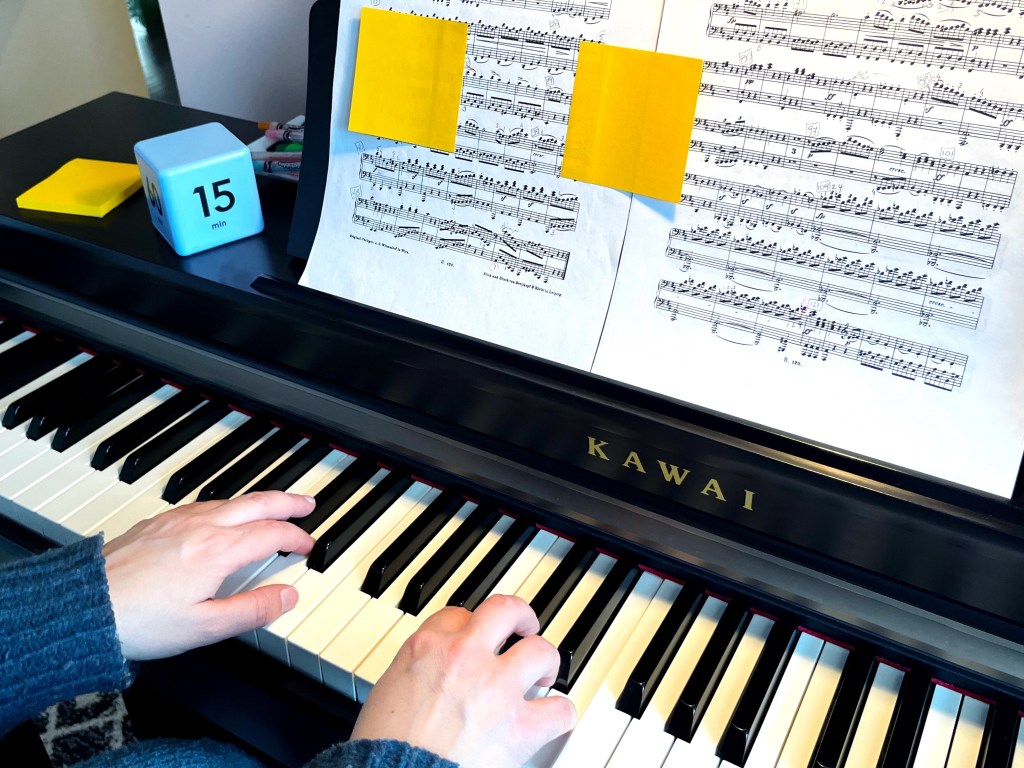
A piano student practices using post-it notes to focus in on a specific portion of their piece.

The Unhelpful Mind

The Unhelpful Mind likes to toss negative thoughts into our heads. When we focus on these negative thoughts our minds can quickly escalate the negative self-talk, which oftentimes leads to physical symptoms of anxiety like cold hands, butterflies in the stomach, shaking, heart racing, sweating, stomach pain, etc.

The Unhelpful Mind is exactly that… unhelpful! The thoughts it creates do not help us be better or lead us in the right direction. These thoughts want to see us crash and burn. There are many different categories for these unhelpful thoughts; let’s take a look at a few common ones most musicians hear from time to time:

  • Mind-Reading Thoughts – our minds tell us what everyone else is thinking (for example, “Everyone thinks I’m playing terribly!”).  We all know that we can’t read other people’s minds, but the Unhelpful Mind likes to try to make you believe that it can.
  • Should Thoughts – our minds tell us what we SHOULD be doing to be perfect and the best player ever (for example, “I should be able to play this piece perfectly without a single mistake by now!” or “I should be able to play this because Oliver plays this and we are the same age!”). We all know that there is no such thing as “perfect” but we are still drawn to the idea of perfection like a moth to a flame… We have to avoid the “flame of perfectionism” at all costs because we will never be perfect.
  • Overgeneralized Thoughts – our minds tell us something broad (not specific) that it wants us to believe is always true in all situations (for example, “Everyone plays so much better than me! or “I’m never going to get this!”). We know that these thoughts are lies that sneak into our minds when we feel upset, frustrated, or stressed.
  • Catastrophic Thoughts – our minds take a small problem (for example, “I’m having a really hard time with this fingering.”) and spirals out of control, turning the small problem into a big one (“I’m going to mess it up at the recital and everyone is going to laugh at me and it’ll be the worst thing to ever happen to me!”)

The Unhelpful Mind can be calmed by using a lot of the same techniques we use to help the Busy Mind and the Tired Mind, like Meditative Breathing, the Revolving Door, and Taking Breaks. But sometimes the Unhelpful Mind can be insistent and we need to take a little extra time and effort to transform the unhelpful thoughts into helpful ones.

Be your own Best Friend

The Unhelpful Mind just told you something negative. Now imagine that your best friend just said those exact words about themselves. When we love someone, we never want to hear them talking badly about themselves. We immediately try to console them, encourage them, and build them up to help them see themselves the way we see them.

Hands hovering over a piano shape themselves into a heart shape.

We need to show ourselves the same sort of kindness and love that we show our best friends. When an unhelpful thought pops into your mind, talk to yourself like you would talk to your best friend.

Triple R Exercise: Record, Rationalize, and Replace

When an unhelpful thought stops by for a visit, write it down (Record). But don’t only write down the thought itself, write down every detail that was happening when the thought came to you (what you were playing, how you were feeling, anyone who was with you, etc.).

Then, if possible, figure out what kind of thought it was (Rationalize): mind-reading thought, should thought, overgeneralized thought, catastrophic thought, or another type of thought.

Finally, turn that unhelpful thought into a helpful thought (Replace). Talk to someone (a friend, parent, teacher, etc.) if you are having a hard time finding a way to make the thought helpful.

If you find this exercise helpful, keep a notebook at the piano when you practice and draw a table, like the one below, and fill it out as needed.

A table exemplifies the concept of recording, rationalizing and replacing unhelpful thoughts.

References

I used many sources for my research and I wanted to take a moment to highlight a few that you may find helpful if you want to dive deeper into the subject:

  • The Bulletproof Musician – This website is a treasure trove of information about performance anxiety! Noa Kageyama, a performance psychologist and faculty member of The Julliard School and Cleveland Insitute of Music, offers weekly posts, courses, and a myriad of free resources to help musicians with performance anxiety.
  • Managing Stage Fright – A Guide for Musicians and Music Teachers by Julie Jaffee Nagel: This book is filled with practical strategies for managing performance anxiety. The book is directed at teachers, making it unique in the literature. As teachers, we have to navigate the intense emotions students feel when it comes to performing and the author, a pianist and psychoanalyst, conveys her research and strategies in a wonderfully empathetic manner.
  • Playing Scared – My Journey through Stage Fright by Sara Solovitch: This is the personal account of the author in achieving her goal of giving a formal recital the day before her 60th birthday. She does research along the way and describes the journeys of famous musicians, actors, athletes, and even a reverend in managing their own stage fright.
  • The Musician’s Way – A Guide to Practice, Performance, and Wellness by Gerald Klickstein: This book covers a wide variety of topics. Part II of the book on performance is very informative and provides great practical strategies for musicians to try implementing in their performance practice.
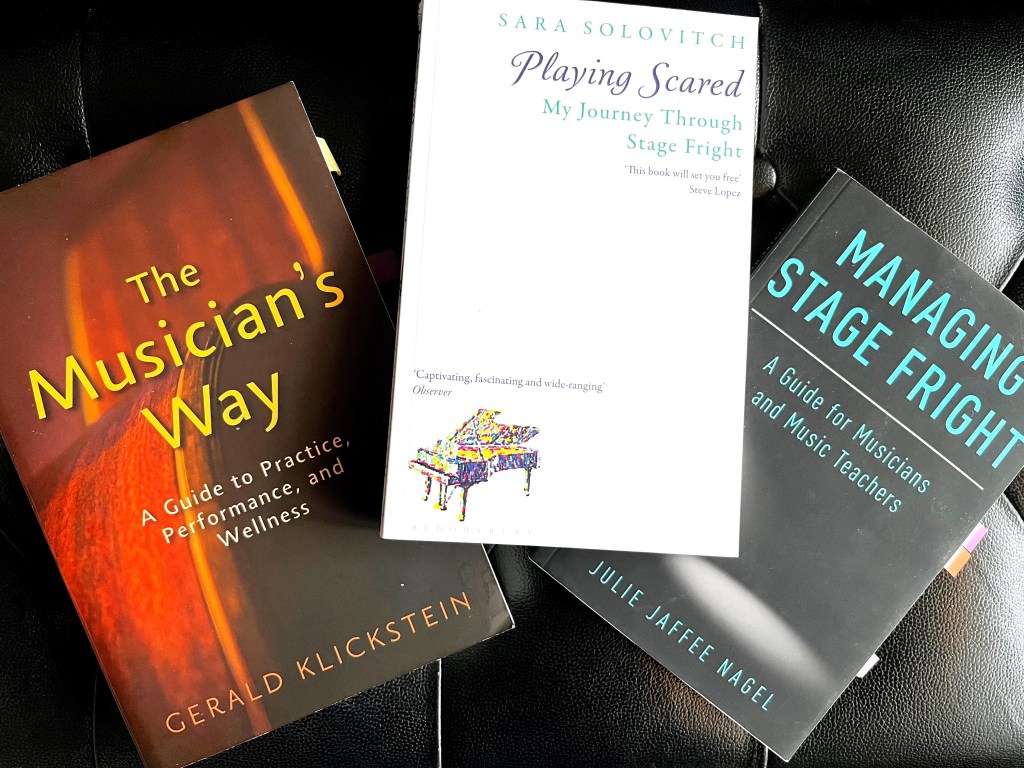
Three books lay on a piano bench: The Musician's Way, Playing Scared, and Managing Stage Fright.

Coming up Next!

In the next post we will be talking about the musical mind and how to focus our attention on what matters while practicing for a performance.
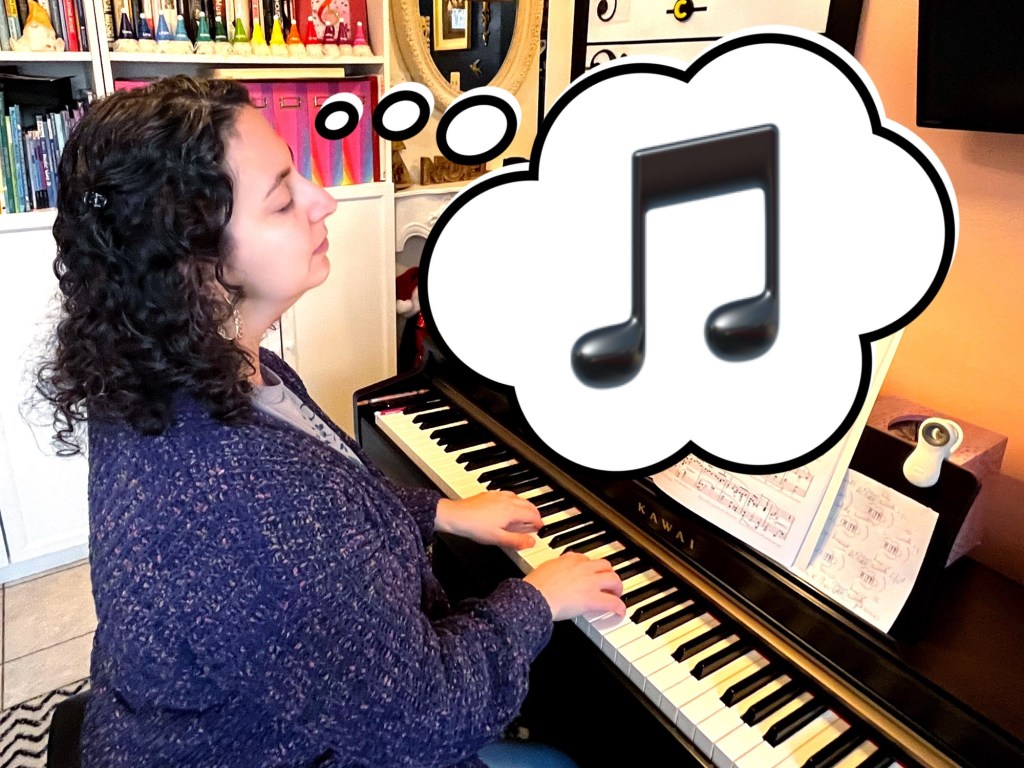
Pianists plays the piano. A thought bubble shows her thoughts. She is thinking about music notes.

Explore more creative teaching ideas
  • Performance Practice – Part 1: External Distractions
    Recital season brings more than just music—it also brings nerves. While learning a piece is one thing, preparing to perform it confidently in front of an audience requires a different kind of practice. This 4-part series explores strategies to help students manage anxiety, handle distractions, and step onto the stage feeling ready to share their music with confidence. In part 1 we are looking into external distractions.
  • Slurs & Ladders: The Recital Prep Game
    If there is one game my students beg to play year after year (and sometimes when we don’t even have a recital anytime soon!) is this recital prep game. It’s a great de-stressor and it shows students how prepared they are to perform while also injecting some fun and joy back into those recital pieces that may be sounding a little tired.
  • How to Bow at a Piano Recital
    You’ve just finished playing your piano recital pieces and now the audience is clapping, what do you do now??! It’s time to take a bow and enjoy the adulation for all the hard work you put into learning your pieces. Here’s the step-by-step on nailing the perfect piano recital bow!
  • Positive Notes: Recital Encouragement
    Spread some positivity and encouragement to your students this recital season with these adorable Positive Notes! They will help remind them of how hard they work and how much you believe in them.

Let’s stay in touch, join the list!

As a “toucan” of our appreciation download a free set of note flashcards (link in our Welcome email)!

Processing…
Success! You're on the list.

We are a participant in the Amazon Services LLC Associates Program, an affiliate advertising program designed to provide a means for sites to earn advertising fees by advertising and linking to Amazon.com. As an Amazon Associate we earn from qualifying purchases.

Performance Practice – Part 1: External Distractions

Recital season is upon us and a topic that comes up a lot is performance anxiety. As children get older and become more self-conscious, performance anxiety can start to creep in… It affects everyone (there are countless stories of professional musicians who suffer from performance anxiety) but it doesn’t always affect everyone in the same way or even negatively. It can be harnessed as an agent of good to enhance their performance. 

A student in braids plays the grand piano at a recital.

As pianists we do not always have the luxury of numbers (like other instruments playing in orchestras or bands) and it can feel overwhelming to sit in front of an audience to perform (even if it’s a wonderfully friendly audience made up of family and friends). This is an extremely important topic to work on with students but oftentimes gets overlooked because of the more “pressing” matter of working out the technical difficulties of the performance pieces (and I’ve been guilty of this too!).

In this four part series, I’m going to talk about how students can practice for performance.

But isn’t practicing for a performance just playing the piece from beginning to end like one would on the day of the recital? As we will see, the answer is a resounding no.

A piano student practices the piano.

The type of practice most students are familiar with is used to learn the piece. Through this type of practice, the student works out the technical difficulties, gains consistency and ease in playing it, increases accuracy and expression. Then when they are “done learning”, they are able play the piece. But this is not enough to perform the piece with confidence in a high-stakes setting like a recital or audition.

Performance practice requires a different set of practice strategies. The suggested strategies in this series are based on research but obviously not everything works for everyone. Students should experiment with all the different strategies to find the best ones that work for them. But, all of these strategies take time and consistent effort to make them useful… They require practice.

As teachers we want our students to approach the piano at the recital feeling confident and ready to share their music with the audience. The performance practice strategies will help prepare students for things that may happen on the day of the recital… intrusive thoughts, performance anxiety, and unexpected and unwelcome distractions. When students have a sense of control over the “unexpected” and are equipped with tools to handle them, they are free to play in the moment with confidence. They have practiced for performance and they know what to do!

  1. References
  2. What are External Distractions?
  3. Types of External Distractions and Management Methods
    1. Distraction no. 1 – Electronics
    2. Distraction no. 2 – People
    3. Distraction no. 3 – Practice Space
    4. Distraction no. 4 – Noise
  4. Spot the Distractions: What’s Stealing your Focus?
  5. Coming up next!
  6. Let’s stay in touch, join the list!

References

I used many sources for my research and I wanted to take a moment to highlight a few that you may find helpful if you want to dive deeper into the subject:

  • The Bulletproof Musician – This website is a treasure trove of information about performance anxiety! Noa Kageyama, a performance psychologist and faculty member of The Julliard School and Cleveland Insitute of Music, offers weekly posts, courses, and a myriad of free resources to help musicians with performance anxiety.
  • Managing Stage Fright – A Guide for Musicians and Music Teachers by Julie Jaffee Nagel: This book is filled with practical strategies for managing performance anxiety. The book is directed at teachers, making it unique in the literature. As teachers, we have to navigate the intense emotions students feel when it comes to performing and the author, a pianist and psychoanalyst, conveys her research and strategies in a wonderfully empathetic manner.
  • Playing Scared – My Journey through Stage Fright by Sara Solovitch: This is the personal account of the author in achieving her goal of giving a formal recital the day before her 60th birthday. She does research along the way and describes the journeys of famous musicians, actors, athletes, and even a reverend in managing their own stage fright.
  • The Musician’s Way – A Guide to Practice, Performance, and Wellness by Gerald Klickstein: This book covers a wide variety of topics. Part II of the book on performance is very informative and provides great practical strategies for musicians to try implementing in their performance practice.
Three books lay on a piano bench: The Musician's Way, Playing Scared, and Managing Stage Fright.

What are External Distractions?

As students prepare for their recital performance, they may be facing lots of external distractions when they sit down to practice (or maybe even ones that prevent them from practicing altogether!).

An external distraction is something that comes from the outside (not from within you) that takes your attention away from what you are doing.

Everyone is surrounded by external distractions… devices, pets, siblings, children, parents, friends and SO much more! It can often feel like the world around us is constantly trying to distract us from what we really need to do. Our students face the same challenges.

Learning a new piece and preparing it for performance takes a lot of focused work. Winning the battle against external distractions may seem challenging but it’s well worth the effort!

It all starts by removing the distractions students can control AND coming up with a plan to handle the distractions they can’t control.

Examples of external distractions include pets, conversations, smartphones, videogames, siblings playing, sirens, and storms.

Although it is important for students to be able to play through the occasional unintended noise during a performance (we’ll talk about that in a later post), for the hard work of learning their recital pieces, students should work in a space where external distractions are minimal.

By learning to protect their focus from everyday distractions, students set themselves up for productive practice sessions while also strengthening their ability to stay focused in any setting.

Types of External Distractions and Management Methods

Let’s talk about four of the most common external distractions that students may run into and different strategies for students to handle them.

Distraction no. 1 – Electronics

I think this is the one most students struggle with… The brain LOVES electronics because they stimulate the brain without the brain having to do any real work. They are instant gratification suppliers and the brain eats it up! Children and teens are particularly susceptible to their siren call. Some of the most common culprits are smartphones, smartwatches, tablets, videogames, computers, and the television.

A piano student plays on her smartphone instead of practicing the piano.

Here are five suggestions to protect practice time from electronics:

  • Put the device in another room.
  • Put the device in Airplane mode.
  • Turn off notifications.
  • Turn off the device.
  • Use these distractions as rewards for practicing.

With electronics, the easiest method is distance. Students may think about their electronics during practice, but if the device is out of reach, they’ll be less tempted to stop.

Distraction no. 2 – People

Our friends and family mean well, but sometimes they can unintentionally distract us from our practicing. Most of the time parents will be so delighted that their child is practicing that they will not interrupt them (unless there is a real reason). The true culprits are usually siblings and friends.

In order to handle these distractions, a student could:

  • Let everyone in the house know that they are practicing and don’t want to be disturbed.
  • Practice when siblings are not home (for example, their sister is at a dance class).
  • Ask siblings to do their activities in a different room of the house (this may require parental intervention).
  • Set aside a specific time to answer texts or FaceTime friends (a student could even go so far as to let friends know that they are practicing and will only be available at after a specified time).

Usually a conversation is enough to get these external distractions under control.

Distraction no. 3 – Practice Space

A student’s practice space should have everything they need for a successful practice session, which could include but is not limited to their instrument, their instrument’s accessories, proper lighting, comfortable ambient temperature, metronome, and a pencil.

A piano and its bench are covered in books, a blanket and stuffed animals.

To set themselves up for success a student could:

  • Make sure their instrument is always ready for practicing (tuned, not convered in clutter, etc.).
  • Keep everything they need at their instrument (sheet music, metronome, pencil, timer, etc.).
  • Make sure their space is well-lit, whether with natural or artificial light.
  • Make sure they are comfortable (wear clothing that is season appropriate so they are not too hot or too cold, ensure that their outfit is not restrictive and allows them to move freely while wearing it, etc.).

If the practice space is ready to go without the need to tidy up or move things around, it’s easier to just slip into practice mode. Taking a few minutes at the end of practice to reset the space makes the next session easier to start.

Distraction no. 4 – Noise

As musicians our sense of hearing is extremely important! Our ears need to focus on the music we are practicing. Students in particular are still developing their listening ear so external noise is even more problematic.

Noise can come from every source imaginable… pets, siblings, background house noise, conversations, neighborhood noise, devices, etc.

A black labrador dog lays its head on a piano student's lap as she tries to practice the piano.

In order to keep focused and not be distracted by external noise sources, students can:

  • Use headphones while practicing (if they are using a digital piano).
  • Put pets in a different room.
  • Ask family members to use their devices in a different room.
  • Turn off machines that generate a lot of noise (dishwashers, fans, robot vacuums, etc.).

Spot the Distractions: What’s Stealing your Focus?

Last year, when my students and I worked through this four part performance practice series, they occasionally had a little extra homework beyond the performance practice strategies. Since external distractions are something students can easily recognize, the following activity empowers them to take control of their practice environment by identifying and addressing the specific distractions that interfere with their focus.

We drew a table and labeled the columns:

  • External distraction – If the student identified an external distraction, they would describe it here.
  • How did you manage the distraction? – The student would then explain what they did to eliminate/minimize the distraction or refocus on practicing (if the external distraction was beyond their control).
  • Did it work? – A simple yes or no answer.
Table of external distractions, a strategy to manage them, and whether or not the strategy worked.

It was very interesting to see the variety of distractions my students were facing (every home is different!) and the creative solutions they came up with to handle them. I was very proud of them!

Coming up next!

In the next post we will be talking about internal distractions – thoughts that pop into our heads – and strategies to calm the inner chatter and refocus our minds.

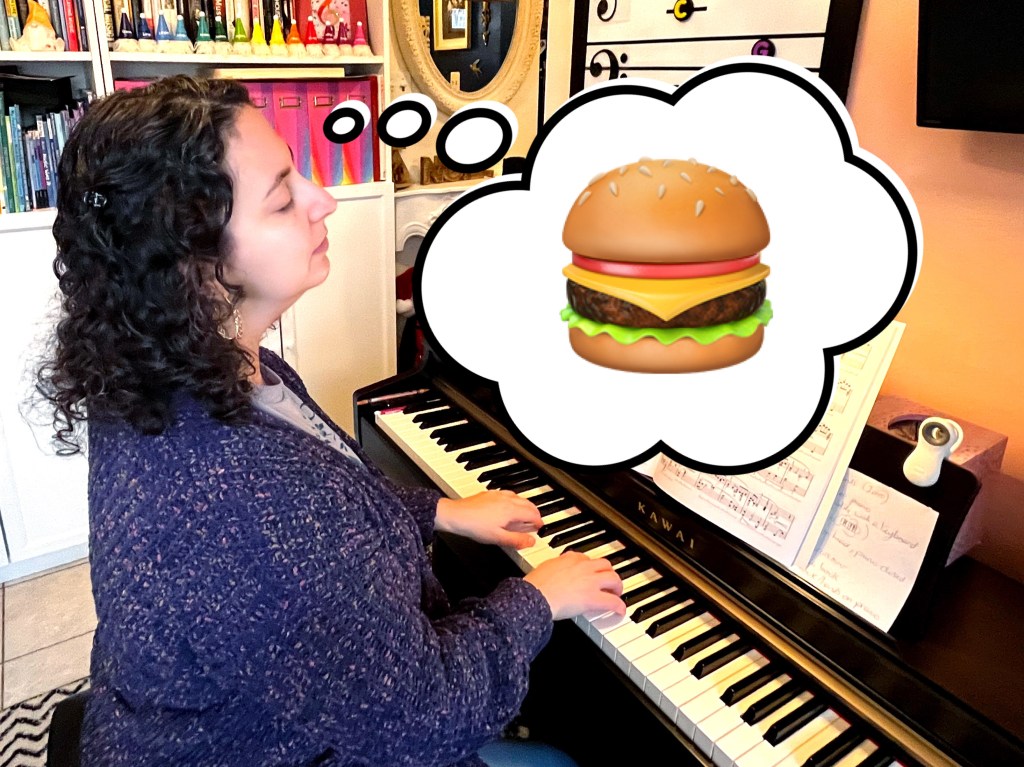
A piano student thinks about a cheeseburger while practicing the piano.

Explore more creative teaching ideas
  • Slurs & Ladders: The Recital Prep Game
    If there is one game my students beg to play year after year (and sometimes when we don’t even have a recital anytime soon!) is this recital prep game. It’s a great de-stressor and it shows students how prepared they are to perform while also injecting some fun and joy back into those recital pieces that may be sounding a little tired.
  • How to Bow at a Piano Recital
    You’ve just finished playing your piano recital pieces and now the audience is clapping, what do you do now??! It’s time to take a bow and enjoy the adulation for all the hard work you put into learning your pieces. Here’s the step-by-step on nailing the perfect piano recital bow!
  • Positive Notes: Recital Encouragement
    Spread some positivity and encouragement to your students this recital season with these adorable Positive Notes! They will help remind them of how hard they work and how much you believe in them.

Let’s stay in touch, join the list!

As a “toucan” of our appreciation download a free set of note flashcards (link in our Welcome email)!

Processing…
Success! You're on the list.

We are a participant in the Amazon Services LLC Associates Program, an affiliate advertising program designed to provide a means for sites to earn advertising fees by advertising and linking to Amazon.com. As an Amazon Associate we earn from qualifying purchases.
Nailing Piano Technique: The Fingernail Dilemma

If you mention fingernails to any piano teacher, you will be greeted by exasperated sighs, rolling eyes, and a myriad of strong emotions. This is because piano teachers across the board share a very complicated relationship with this seemingly innocent part of the hand…

Piano student holds out hands to display their beautiful, Christmas-themed fake nails.

You may hear stories about teachers keeping fingernail clippers on their piano to clip their students’ fingernails if they are too long. Or of a piano teacher who sends students home because of their nails.

It’s a pet peeve… and it’s not unfounded! Long fingernails are a real problem for learning to play the piano.

My hope is that this post will help guide conversations between teachers and parents about this important topic. Any conversation of this nature, in my opinion, should be approached with compassion and understanding.

On the one side, fingernails can represent more than mere vanity; they can serve as a form of cultural expression, personal identity, or even a reflection of one’s creative or professional journey.

For the piano teacher, on the other hand, long fingernails can be an impediment to their job of teaching a student to play the piano with proper technique. Teachers are professionals who know the challenges of the instrument and the path to achieve mastery; their opinions and advice on the subject have weight and value.

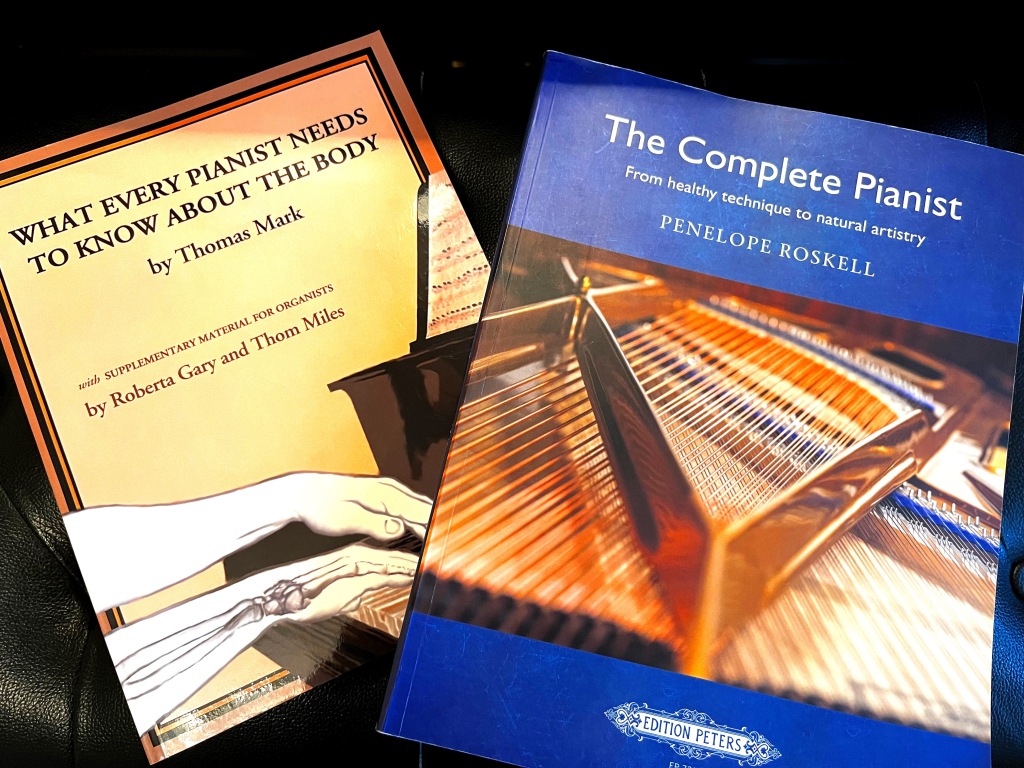
All the discussions in this post provide a high-level overview. For a deeper dive into body mechanics and proper technique I recommend the following books:

Two books about body mechanics and piano playing sit on top of a piano bench.
  1. Why are Long Fingernails so Bad?!
    1. Nail Clicking
    2. Hand Posture
    3. Movement
    4. Injury
  2. How Long should Fingernails Be?
  3. What if a Student wants to Keep their Long Nails?

Why are Long Fingernails so Bad?!

Long fingernails are not inherently bad. On the contrary, as I mentioned, they can be a powerful and beautiful form of self-expression and can even boost self-confidence. However, for piano students, this beauty and artistry come with a hidden cost.

The truth is that long fingernails inhibit the development of proper piano technique, which limits what a student is capable of playing and could eventually lead to injury.

But let’s break it down:

Nail Clicking

When fingernails are long enough they will make a tapping or clicking sound on the keys as the fingers strike the keys. And they don’t have to be very long for this to happen; in the video above I measured my nails to be about 1 mm long, which is very, very short by most people’s standards.

In a world where fingernail tapping is all over social media, it really has no place in creating music at the piano. A student should be developing their ear and listening intentionally and deeply to their playing. The constant clicking gets in the way of that and is just a big distraction.

Hand Posture

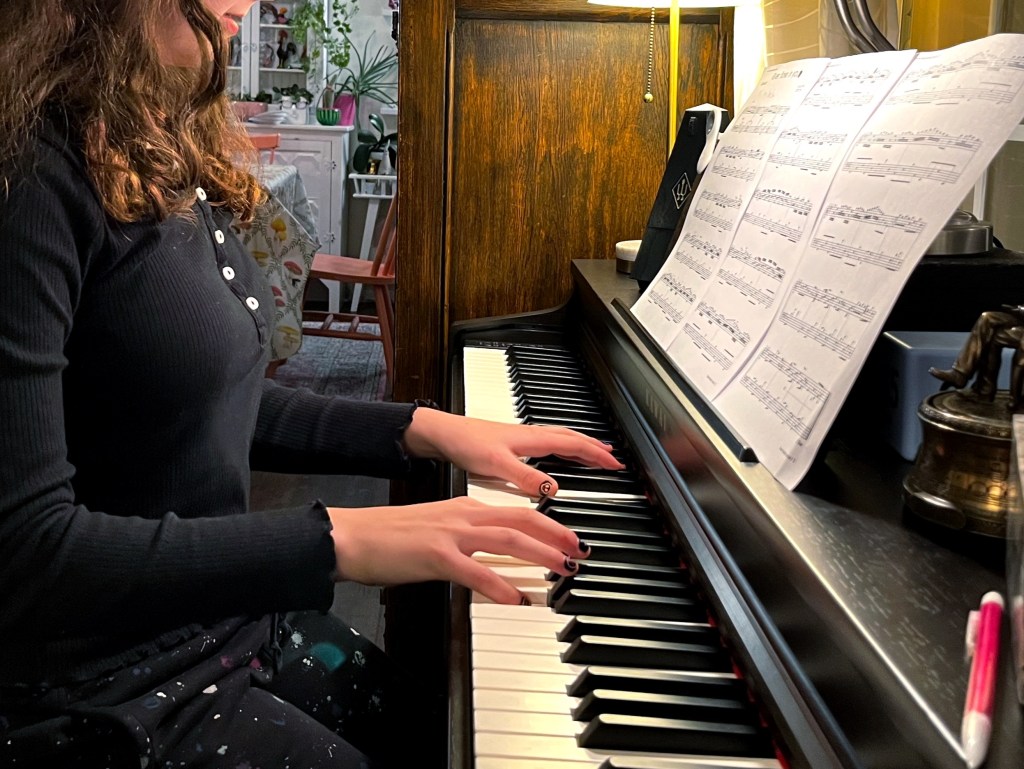
Proper hand posture at the piano resembles a hand at rest: fingers gently curled inwards towards the palm of the hand, thumb slightly bent. If one were to freeze their hand in this position and place it on the piano, the fingers would touch the keys on the padding close to the fingertips, but not the actual fingertips (if this happens, the fingers are too curled).

Student demonstrating proper hand posture plays the piano.

When fingernails are too long, the fingers sit on the keys in a more stretched-out position. The point of contact with the keys is now the full pad of the finger, encroaching on the 2nd joint of the finger (the distal inter-phalangeal joint, DIP joint, to be more precise), if the nails are long enough.

The knuckles also flatten out, which causes the natural bridge of the hand to collapse. As we will see next, this is going to have serious consequences on how the student will be able to navigate the piano.

Movement

Long fingernails will restrict the range of movement the hand can execute at the piano.

Outstretched fingers will cause the student to lift the fingers from the knuckle, putting unnecessary strain on the tendons of the hand. This up-down motion of the fingers will cause tension in the thumb, which could start to curve outwards.

Long fingernails also collapse the knuckles which ends up restricting the movement of the wrist. The importance of the wrist in piano playing cannot be overstated. The wrist allows for fluidity, control, and expressiveness. Compromising the wrist’s freedom is like putting casts on the legs of a runner and asking them to run a marathon… a student’s playing will be stiff, limited, and their movements will be inefficient.

With all these restrictions on its natural movements, the body will then try to adapt and find ways to play the notes the brain wants it to. This is when the hand starts twisting in odd ways and the elbow juts out away from the body (something I like to call “Chicken wing”).

The result of these awkward movements can be heard in the music in the form of unevenness, limited speed, unintentional accented notes, uneven articulations, and the list goes on and on…

Injury

And all of the above could ultimately lead to injury… Practicing the piano is a task based in part on repetition. And a lot of it! Students will often have to practice passages over and over again to eventually work out all the problems and difficulties.

When movements are unnatural to the body and cause the body strain, sooner or later pain starts to creep in. Oftentimes students will power through the pain, choosing to abide by the “no pain, no gain” mentality.

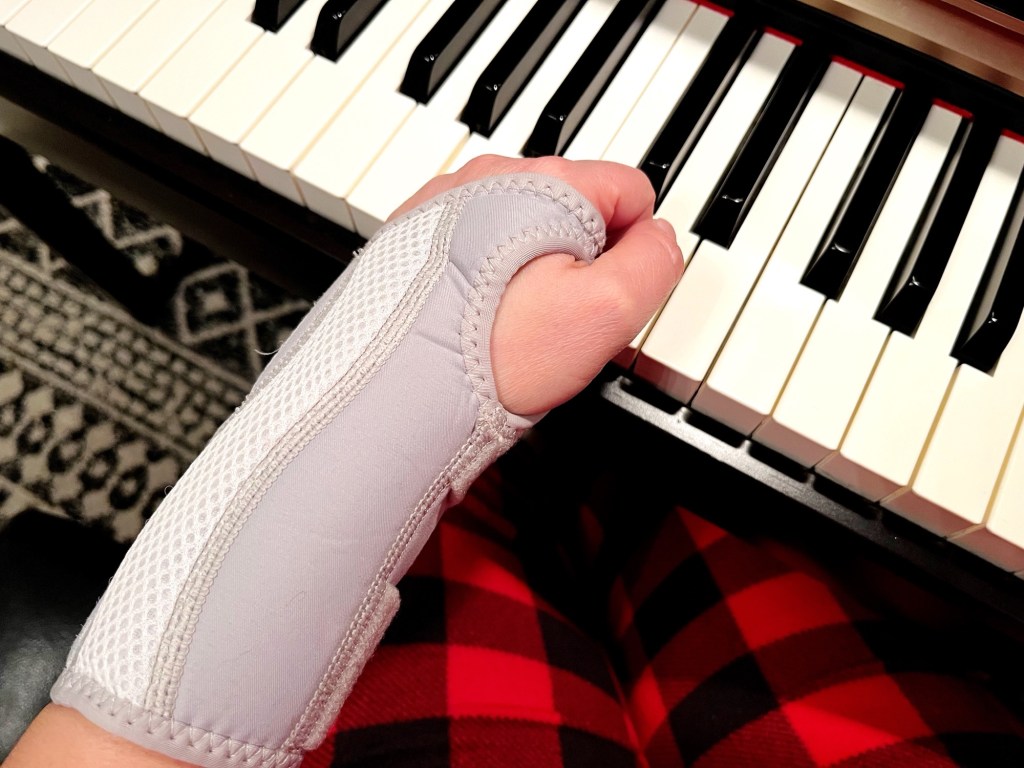
A hand in a wrist brace sits on the keys of a piano

But pain is a sign that something is wrong and needs to be addressed. If left unchecked, a student could end up with: carpal tunnel syndrome, tendinitis, muscle strain, repetitive strain injury (RSI), neck and back pain, among others.

Another potential injury that can occur is when the fingernail gets caught between the keys of the piano. Because it happens so quickly, we usually do not realize that the nail is trapped until the finger tries to follow through with the motion it started. The trapped nail could end up breaking or pull at the at the hyponychium (the point where the nail meets the fingertip) and potentially causing a tear and bleeding. Although not as serious as other injuries, it is definitely annoying and can be quite painful in the moment.

How Long should Fingernails Be?

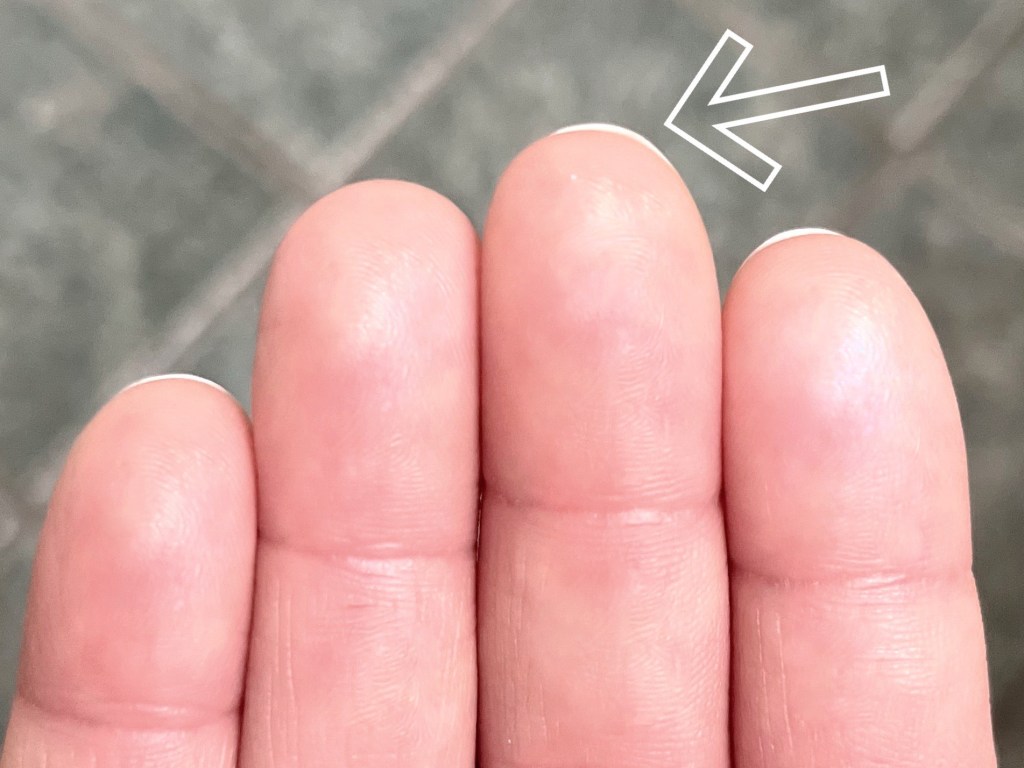
I have lived by the advice of one of my favorite piano teachers growing up: if the nail is peeking over the fingertip, it is time to cut it.

Arrow points to fingernails growing beyond the top of a finger.

A student can also pay attention to their playing and ask themselves if anything feels off or if they are hearing a clicking sound.

What if a Student wants to Keep their Long Nails?

Like most things in life, choices are compromises. We gain one thing but also have to come to terms with the reality that we may be giving up other things.

The reality here is that choosing longer fingernails will limit what a student will be able to play.

The vast majority of piano students will be hobby pianists. Very few will make music their profession and even fewer will have concert careers.

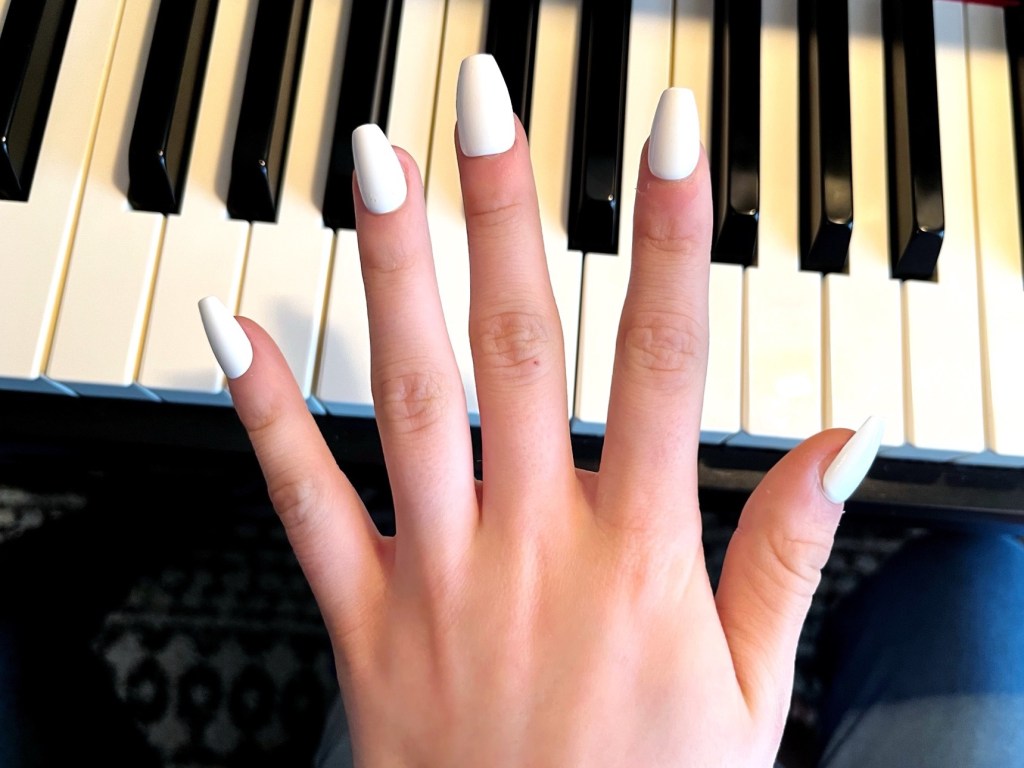
A hand with white fake press on nails is outstretched over the keys of a piano

My advice is for teachers, students, and parents to talk about long fingernails and their drawbacks.

I always reiterate my thoughts on fingernails around recital time. I want my students to be able to perform with confidence and having long nails will affect their playing.

Ultimately, though, it is their choice. My job as a piano teacher is to educate. My hope is that, by providing them with all the information, they will be able to make a decision they are comfortable and happy with.

And this can take many forms… some students have chosen to get a manicure after a recital as a reward, others opted for shorter manicures (but still a bit long for my personal liking for the piano), while others go short, not wanting to tempt the fates at the recital.

For serious students, this tends to be a one-and-done conversation. They are committed to the piano and learning to play well is the priority.

For all the others, it will most likely come down to personal preferences and sometimes special events (like dance competitions, weddings, or graduations). And at the end of the day, everyone is entitled to their choices in life and we must respect that. And that respect should be extended both ways as a teacher may choose not to teach students with long nails.

As mentioned previously, for more information on proper piano technique and body mechanics, check out these books:

Explore more creative teaching ideas
  • Top Practice Tools Every Piano Student should Have: Curiosity
    Curiosity is the catalyst that gets students to start learning the piano in the first place and can be exactly what’s needed to keep them going for the long haul. Why is it so important and how do we keep it going? What if I don’t play an instrument, but want to encourage my child in their practicing? Check out all the answers plus download a free printable for parents!
  • Positive Notes: Recital Encouragement
    Spread some positivity and encouragement to your students this recital season with these adorable Positive Notes! They will help remind them of how hard they work and how much you believe in them.
  • Slurs & Ladders: The Recital Prep Game
    If there is one game my students beg to play year after year (and sometimes when we don’t even have a recital anytime soon!) is this recital prep game. It’s a great de-stressor and it shows students how prepared they are to perform while also injecting some fun and joy back into those recital pieces that may be sounding a little tired.

Let’s stay in touch, join the list!

As a “toucan” of our appreciation download a free set of note flashcards (link in our Welcome email)!

Processing…
Success! You're on the list.

We are a participant in the Amazon Services LLC Associates Program, an affiliate advertising program designed to provide a means for sites to earn advertising fees by advertising and linking to Amazon.com. As an Amazon Associate we earn from qualifying purchases.

Prac-Tris: The Videogame-Inspired Practice Challenge

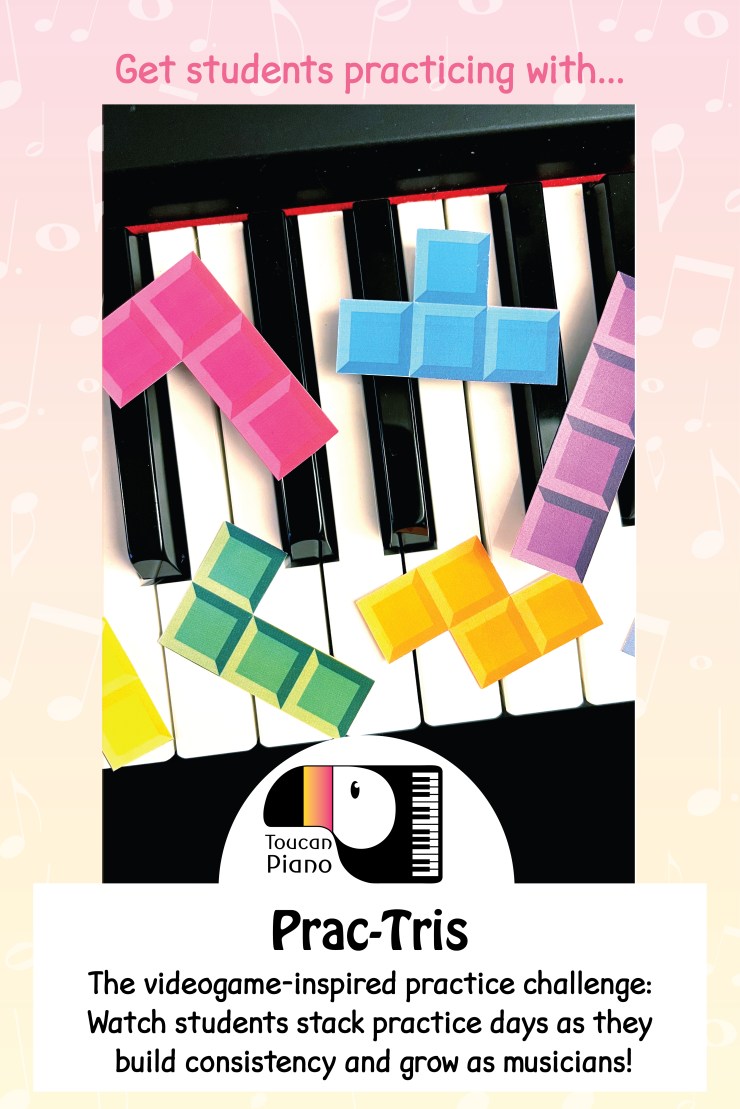
As recital season barrels towards us, music teachers everywhere know it’s time for students to step up their practicing game. So why not turn it into an actual game? And not just any game, but a videogame-inspired practice game?

Prac-Tris will have your students stacking practice days as they work their way to the top… of the board and their musical mastery!

Giant colorful game blocks sit on top of a Prac-Tris poster.

Prac-Tris is available as a free digital download in the Toucan Piano shop.

You can use Prac-Tris as an individual practice challenge with the Prac-Tris printables or as a studio-wide challenge with the Prac-Tris poster and Prac-Tris logs… OR combine them both, like we did, for a true challenge!

Prac-Tris: Individual Practice Challenge

This version of Prac-Tris has students working on completing their own Prac-Tris printable board. For students who enjoy the thrill of a competition, Prac-Tris can be turned into a race to see which student will complete their board first (up to the point where no additional blocks can be placed on the board).

I was surprised to see some students putting in extra practice minutes in order to earn a specific block they needed!

Each student receives a blank Prac-Tris printable board. Each day they practice, they should log the duration of their practice session. When they have finished practicing, they should draw in the block that corresponds to the number of minutes they practiced.

Piano student fills in their Prac-Tris gameboard.

If a student practiced multiple times in a day, they should add up their total practice minutes for the day and draw the corresponding block on their board.

There are two versions of the Prac-Tris printable board in the digital download: the first one has suggested practice minutes and the second one is blank for the teacher to fill in (so the teacher can personalize practice expectations for students of different ages and skill levels).

Prac-Tris: Studio-Wide Challenge

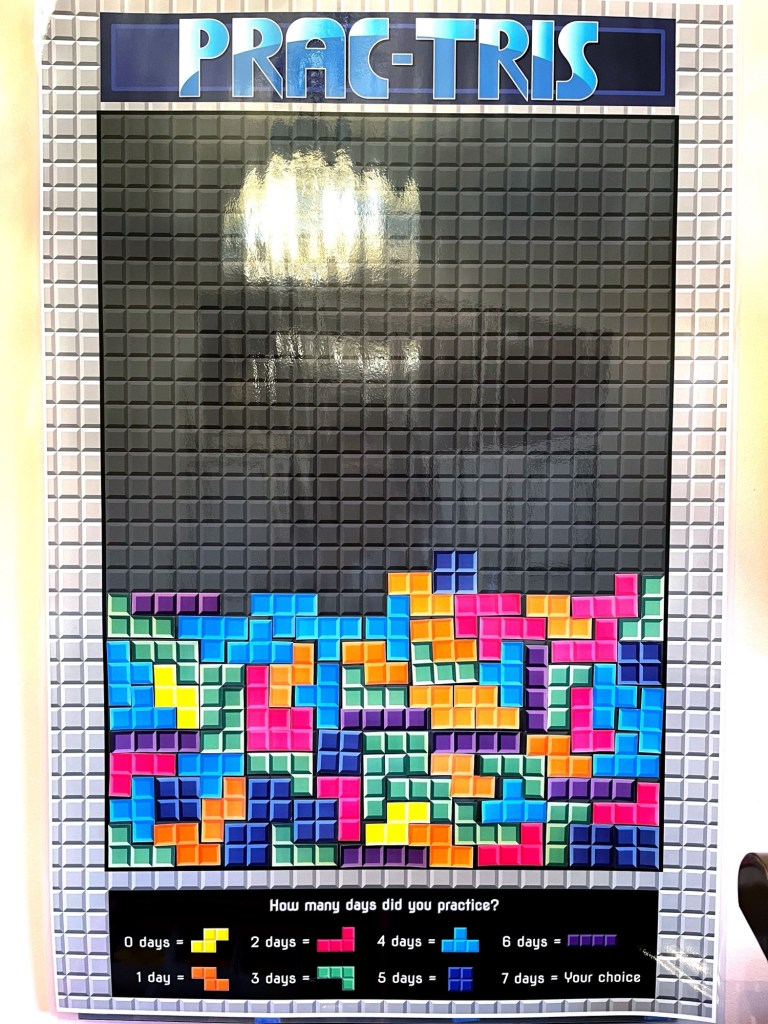
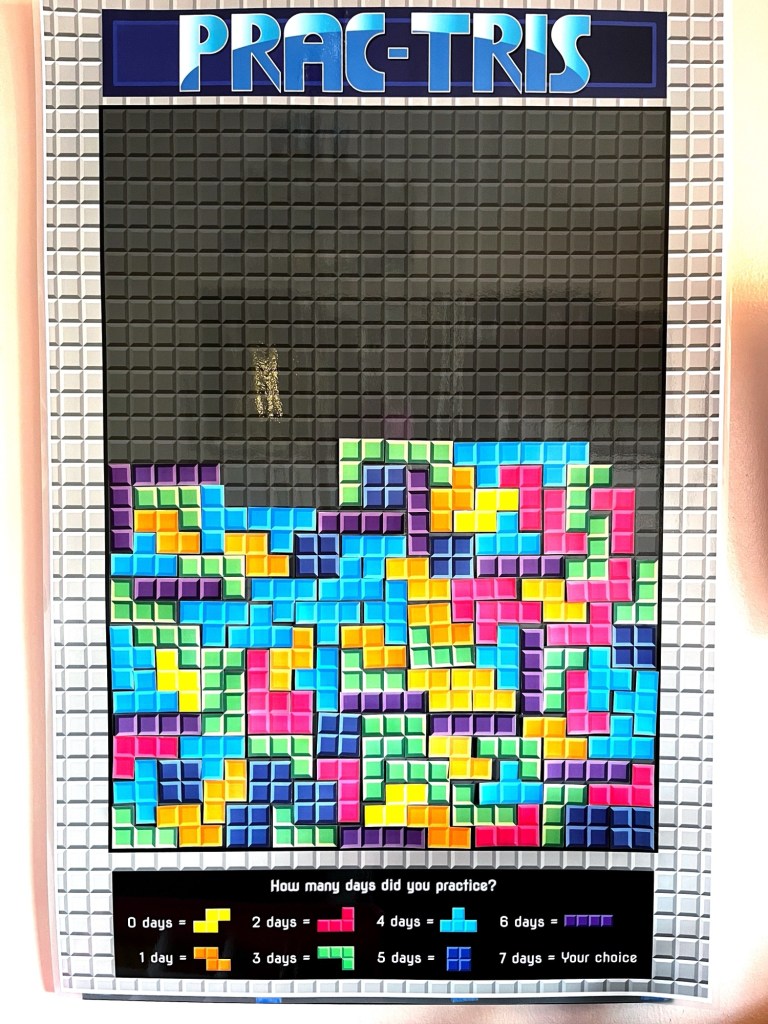
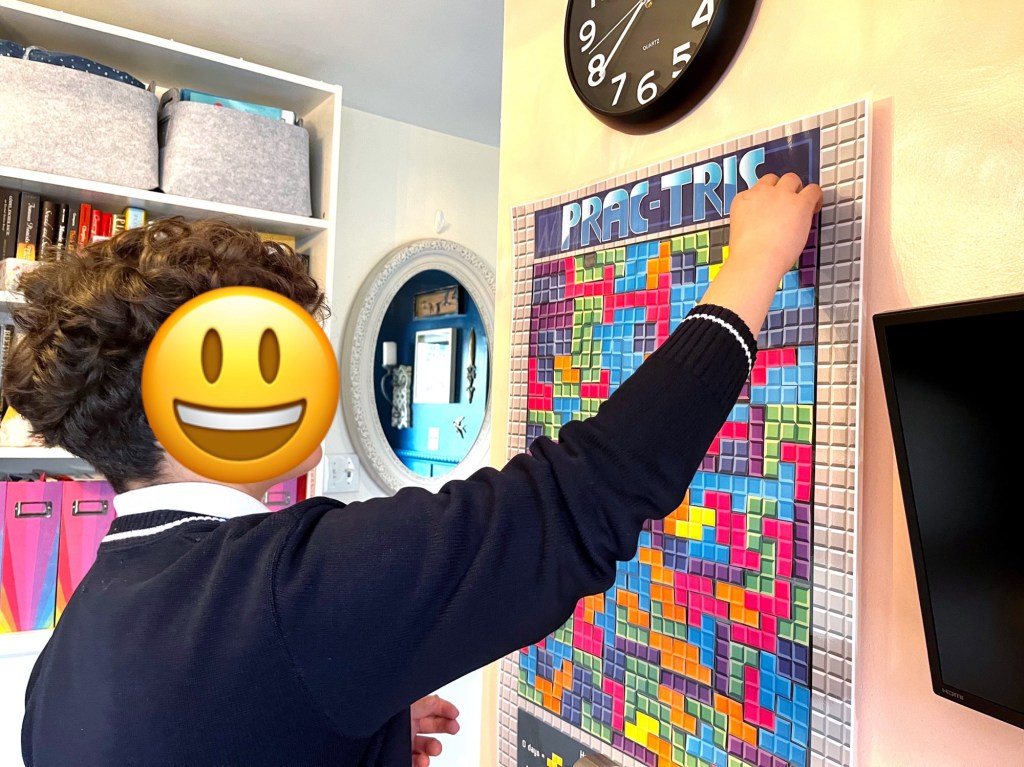
This version of Prac-Tris has students working together to fill the Prac-Tris poster. Each block corresponds to the number of days practiced in a week. Students receive a Prac-Tris log to keep track of their practice days. When they come in for their lesson, they can place their block on the poster. My students were always so excited to see how much the block pile had grown from week to week!

Progress picture 1 of the Prac-Tris poster being filled up by students' practicing.
Progress picture 2 of the Prac-Tris poster being filled up by students' practicing.
Progress picture 3 of the Prac-Tris poster being filled up by students' practicing.
Progress picture 4 of the Prac-Tris poster being filled up by students' practicing.

As an extra incentive, you can reward the students who complete a line on the poster (with, for example, a piece of candy or a favorite activity). This will encourage them to work towards earning a better block or even being able to pick the block they place on the board (instead of leaving it to fate).

I gave any student who practiced 7 days a gold star sticker on their block. Students always wanted to know who had practiced 7 days (and who had practiced zero!).

Piano student places a Prac-Tris game block on the Prac-Tris poster.

If you have a smaller studio, you can block off part of the poster or divide it into milestones. This way students stay engaged for the long haul!

If you have a large studio or a multi-teacher studio, you can divide students into teams and each team can have their own poster. Which team will complete their poster first?!

The digital download includes a 24”x36” printable Prac-Tris poster (I had mine printed and laminated at my local office supply store), printable Prac-Tris logs, and printable blocks. I had my students use a small piece of tape to attach their blocks to the poster.

I had 25 of my students participate in Prac-Tris and it took us about 2 months to complete the poster. And looking back, it was one of my most successful practice challenges to date! My students still talk about it.

Explore more creative teaching ideas
  • Slurs & Ladders: The Recital Prep Game
    If there is one game my students beg to play year after year (and sometimes when we don’t even have a recital anytime soon!) is this recital prep game. It’s a great de-stressor and it shows students how prepared they are to perform while also injecting some fun and joy back into those recital pieces that may be sounding a little tired.
  • Top Practice Tools Every Piano Student should Have: Curiosity
    Curiosity is the catalyst that gets students to start learning the piano in the first place and can be exactly what’s needed to keep them going for the long haul. Why is it so important and how do we keep it going? What if I don’t play an instrument, but want to encourage my child in their practicing? Check out all the answers plus download a free printable for parents!
  • How to Bow at a Piano Recital
    You’ve just finished playing your piano recital pieces and now the audience is clapping, what do you do now??! It’s time to take a bow and enjoy the adulation for all the hard work you put into learning your pieces. Here’s the step-by-step on nailing the perfect piano recital bow!

Let’s stay in touch, join the list!

As a “toucan” of our appreciation download a free set of note flashcards (link in our Welcome email)!

Processing…
Success! You're on the list.

We are a participant in the Amazon Services LLC Associates Program, an affiliate advertising program designed to provide a means for sites to earn advertising fees by advertising and linking to Amazon.com. As an Amazon Associate we earn from qualifying purchases.

The Ultimate Piano Recital Prep Game

If there is one game that my students ask for and can’t wait to play each and every year, it is our recital prep game! I bust out this game at our last lesson before the recital and we have a great time putting their recital pieces through the wringer (with a lot of laughter along the way!).

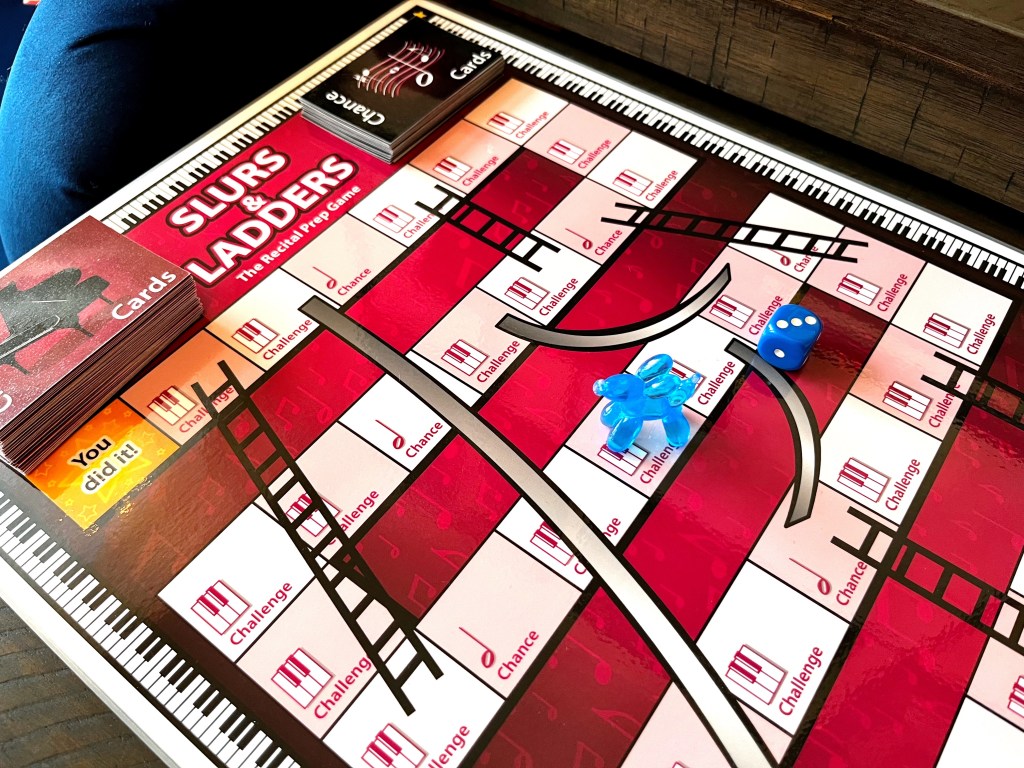
Slurs and Ladders, the piano recital prep game, sits on a wood table along with a blue balloon dog game marker and a blue die.

I’ve found this game to be a great de-stressor for my students. It shows them that they are prepared for the recital and adds some fun back into their pieces after having spent so much time preparing them.

I use it as a studio-wide game to see which student can score the most points (I usually announce the results at the recital and the winner gets a little prize). And since it is a game of chance and completely independent of skill level, a kindergartener and a high school student have the same odds of winning!

The game is called Slurs and Ladders – The Recital Prep Game and works a lot like the game “Chutes and Ladders”. It comes with a gameboard (2 sizes), 40 Challenge cards, 20 Chance cards, and instructions as well as a document explaining each Challenge card. Slurs and Ladders is available for purchase in the Toucan Piano Store.

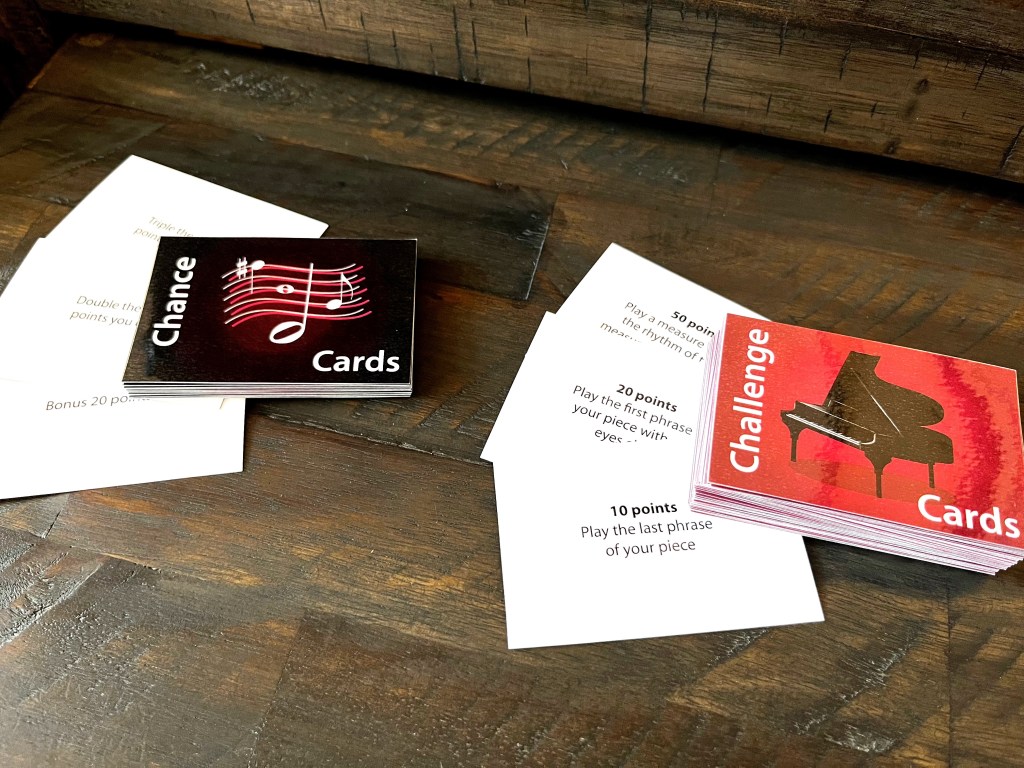
Challenge and chance cards sit on a dark wood table

How to Play

To play you will need:

  • The Slurs and Ladders gameboard
  • Deck of Challenge cards
  • Deck of Chance cards
  • 1 Die
  • 1 Gamemarker

This is a single player game. The student will work their way up the board and collect as many points as they can before reaching the last space on the board. The teacher will keep track of the points the student earns and add them up at the end of the game.

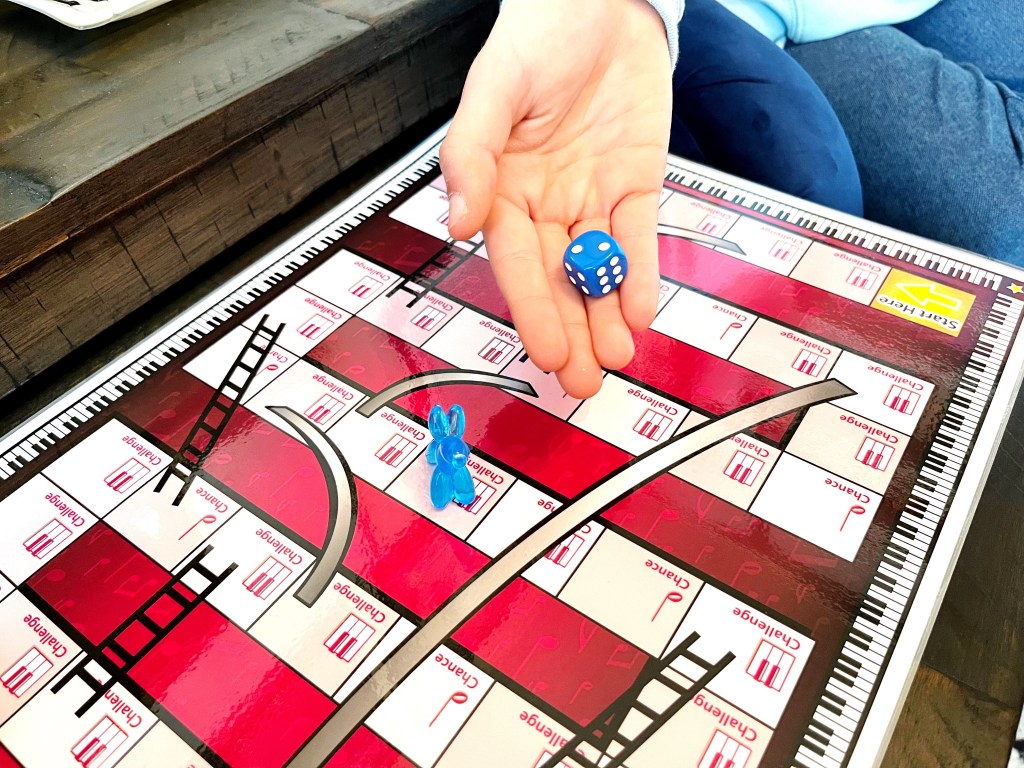
Piano student rolls a blue die while playing the recital prep game, Slurs and Ladders.

The student rolls the die and moves their gamemarker the corresponding number of spaces on the gameboard. If the student lands on a Challenge card space, the student takes the top card from the deck, reads the challenge, then executes the challenge on their recital piece (for example, “Play your piece while doing squats”). Once the student has completed the challenge, the teacher writes down the number of points from the card and play continues.

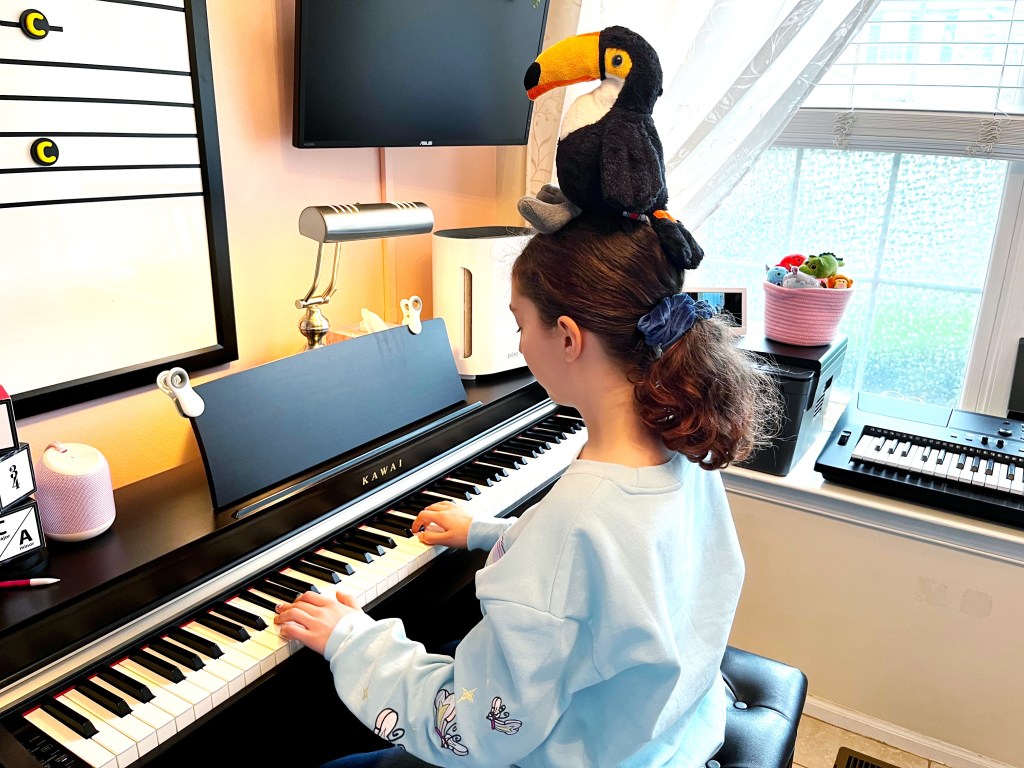
Piano student plays the piano while balancing a stuffed toucan on her head.

Some challenges are musical, some are meant to get your student’s adrenaline pumping, some are meant to throw them off track and have them try to recover, and some are to remind them of recital etiquette. In the Slurs and Ladders download there is a document explaining each challenge.

If the student lands on a Chance card space, the student takes the top card from the deck, and reads the chance card. Chance cards can give students free points or move them on the board.

If a student lands at the base of a ladder, the student must first do the Challenge/Chance card before climbing the ladder. Once the student has climbed the ladder, they will then do the Challenge/Chance card at the top of the ladder before rolling the die again.

If a student lands at the top of a slur, the student must first do the Challenge/Chance card before sliding down the slur. Once the student has reached the bottom of the slur, they will then do the Challenge/Chance card at the base of the slur before rolling the die again.

A student plays the piano with their arms crossed.

This game has been a hit year after year with my students (we have been playing it for 6 years now!!!) and their eyes light up each time they see it waiting for them when they walk in for their lesson.

Slurs and Ladders is available for purchase in the Toucan Piano Store. I hope your students get a kick out of it as much as mine have!

Explore more creative teaching ideas
  • Positive Notes: Recital Encouragement
    Spread some positivity and encouragement to your students this recital season with these adorable Positive Notes! They will help remind them of how hard they work and how much you believe in them.
  • How to Bow at a Piano Recital
    You’ve just finished playing your piano recital pieces and now the audience is clapping, what do you do now??! It’s time to take a bow and enjoy the adulation for all the hard work you put into learning your pieces. Here’s the step-by-step on nailing the perfect piano recital bow!
  • Music Friendship Bracelets
    Colorful friendship bracelets make great student gifts for your next recital or they could be a craft for your students to make at a group lesson or studio event! They are colorful, easy to make, and show off our piano pride!

Let’s stay in touch, join the list!

As a “toucan” of our appreciation download a free set of note flashcards (link in our Welcome email)!

Processing…
Success! You're on the list.

We are a participant in the Amazon Services LLC Associates Program, an affiliate advertising program designed to provide a means for sites to earn advertising fees by advertising and linking to Amazon.com. As an Amazon Associate we earn from qualifying purchases.

Positive Notes: Recital Encouragement

Spring is officially here in the northern hemisphere and nature is coming back to life after a long winter’s rest. Flowers are blossoming, the birds are back and busy building nests, and the bugs are back, too (for better or worse!). But the butterflies fluttering about are not the only butterflies I’m noticing…

That’s because it’s recital season! Students are busy working on preparing their pieces for performance soon and some butterflies are starting to creep into their bellies when they start to think about the day of the recital.

We spend a lot of time in the weeks leading up to the recital talking about performance anxiety and stress testing our performance pieces. It helps my students to put things in perspective and deal with the anxiety that we all feel about performing in front of an audience.

I introduced something new at our recital this year: Positive Notes! Positive Notes are cute little eighth notes that each student received on the day of the recital. The Positive Notes had a short encouraging message to help focus my students’ minds before playing. They were a hit (the rainbows ones were the first to run out!!).

The message on the back of the Positive Note reads:

“Hi! I’m a Positive Note! I believe in you. When it’s your turn to face the music, remember you’ve worked very hard and are prepared. Go do your thing! You’ve got this!”

The Positive Notes are available as a free download in the Toucan Piano Store under Recital Resources. I hope that your students will enjoy them as much as mine did! Be sure to tag me on social media if you use them (I love seeing my creations out in the world!).
There are two versions of the Positive Notes: a printable and a paper squishy craft.

Positive Notes: Printable

This version of the Positive Notes is the easiest of the two versions and a quick way to get an encouraging message into the hands of your students.

A rainbow of smiling kawaii eighth notes with sit on a black background.

All you have to do is print them (double-sided printing) and cut them out. They looked so welcoming and joyful on our recital table!

A recital table is set up with programs, a poster of the classical composer Joseph Haydn, colorful positive eighth notes and compliment cards.

You can download the basic printable version of the Positive Notes here.

Positive Notes: Paper Squishy Craft

If you enjoy crafting (like I do!) nothing beats the paper squishy version of the Positive Notes!

Not only are they adorable and spreading positivity but they also double as a fidget and “finger warmer-upper” for your students as they sit waiting for their turn to play!

They do require more time to make but they are definitely worth it if you have kids who need that extra outlet for their nerves. And if you do a group lesson before your recital, this can be a fun craft for the kids to do themselves!

To make the Squishy Positive Notes, start by printing out the color of your choice on regular copier paper.

Printing out a rainbow colored paper eighth note squishy

Cover both sides of the print out with clear tape (I used packing tape because it’s wider and covers a larger area at once, but any clear tape will do).

Covering the print out of a rainbow colored paper eighth note squishy with transparent packing tape

Next, fold the paper along the “Fold here” line.

Folding the tape covered print out of a rainbow colored paper eighth note squishy

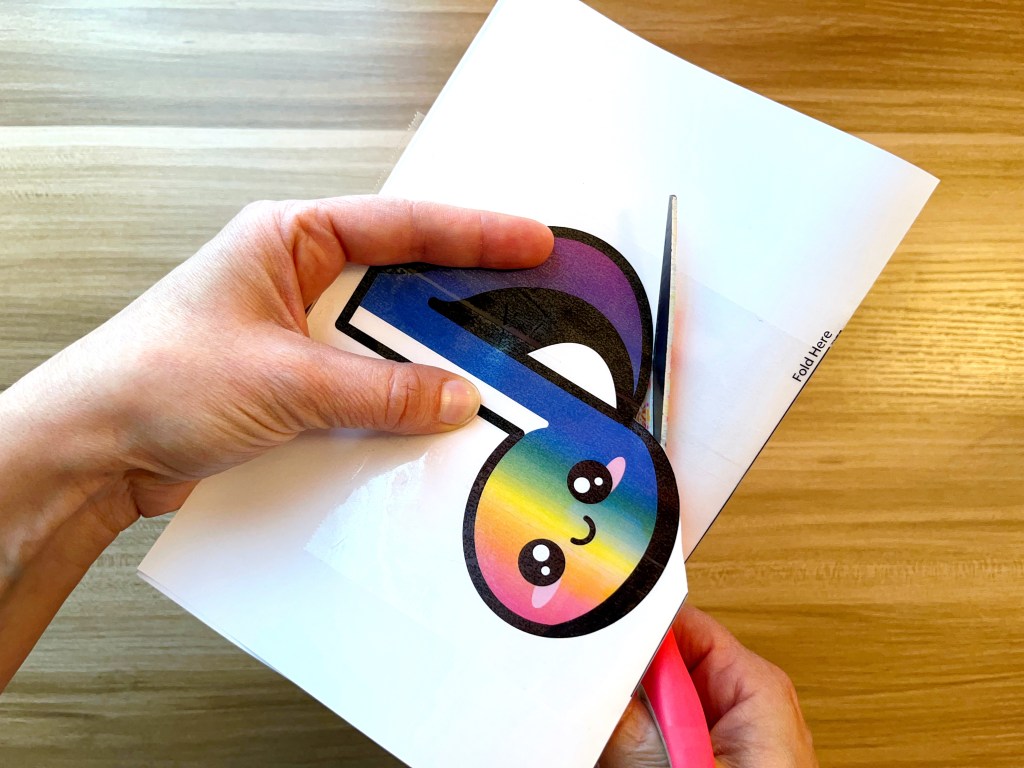
While holding the paper in a folded position, cut out the note (you will be cutting the front and the back out at the same time).

Cutting out a rainbow colored paper eighth note squishy
Two hands hold up the two halves of a rainbow colored paper eighth note squishy

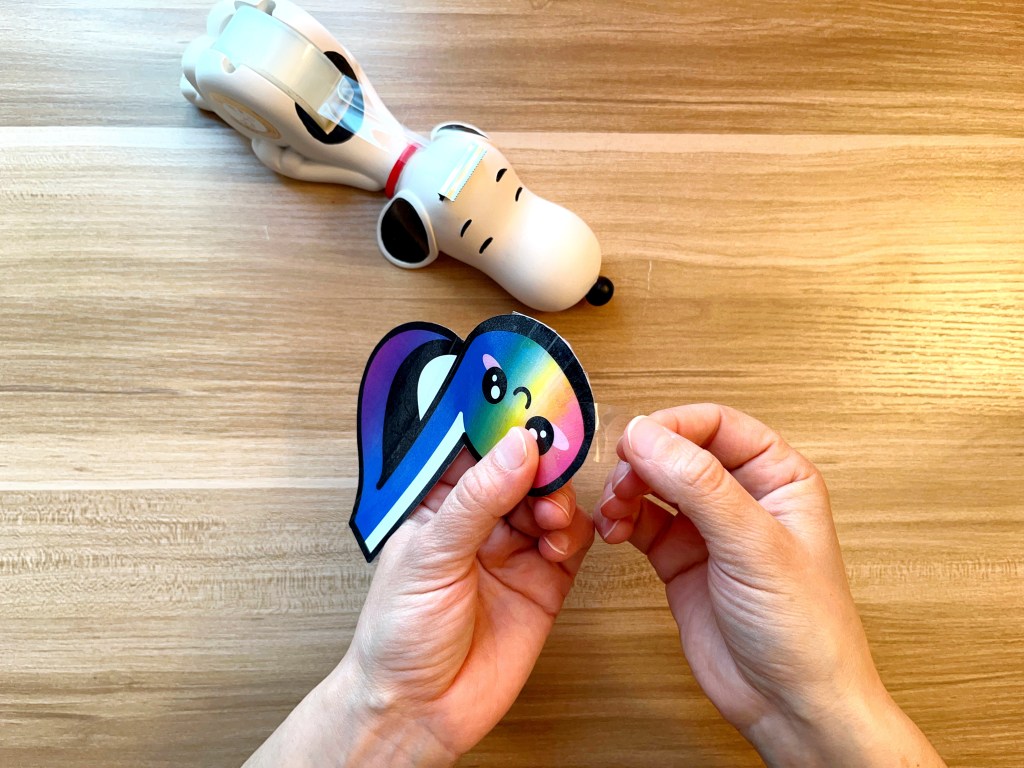
Tape the edges of the two halves together, leaving an opening (I found it easier to leave an opening along the straight edge of the note).

Sealing a rainbow colored paper eighth note squishy with transparent tape

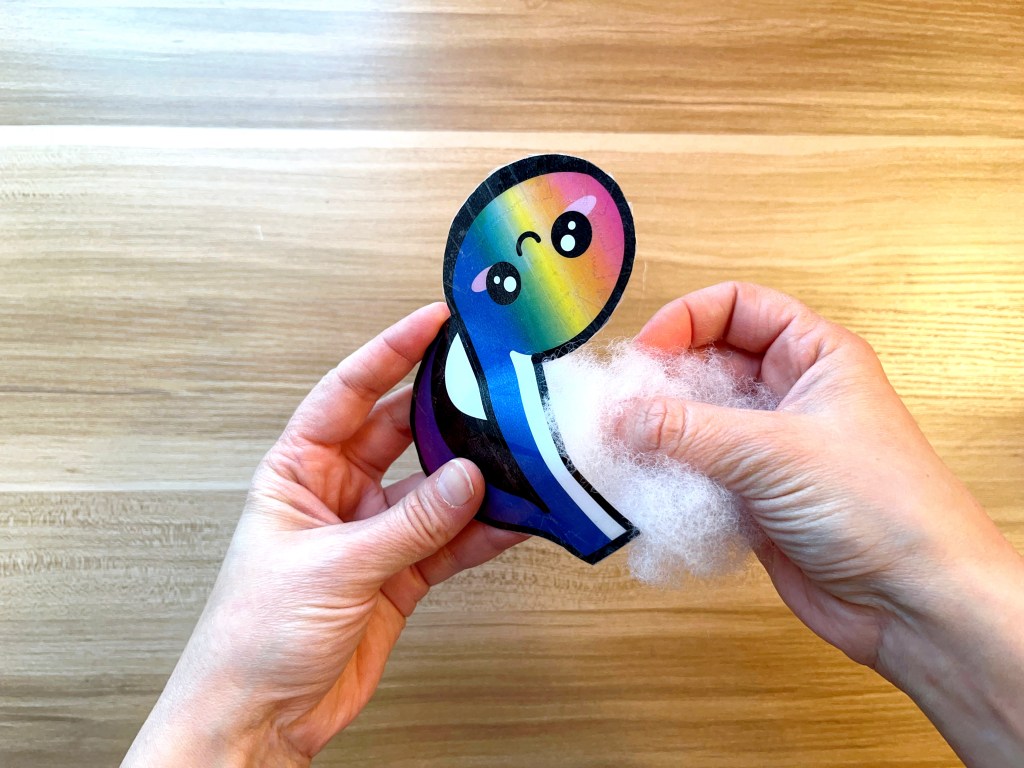
Stuff the note with fiber fill (stuffed animal filling). Don’t overstuff!

Stuffing a rainbow colored paper eighth note squishy with stuffed animal poly fill

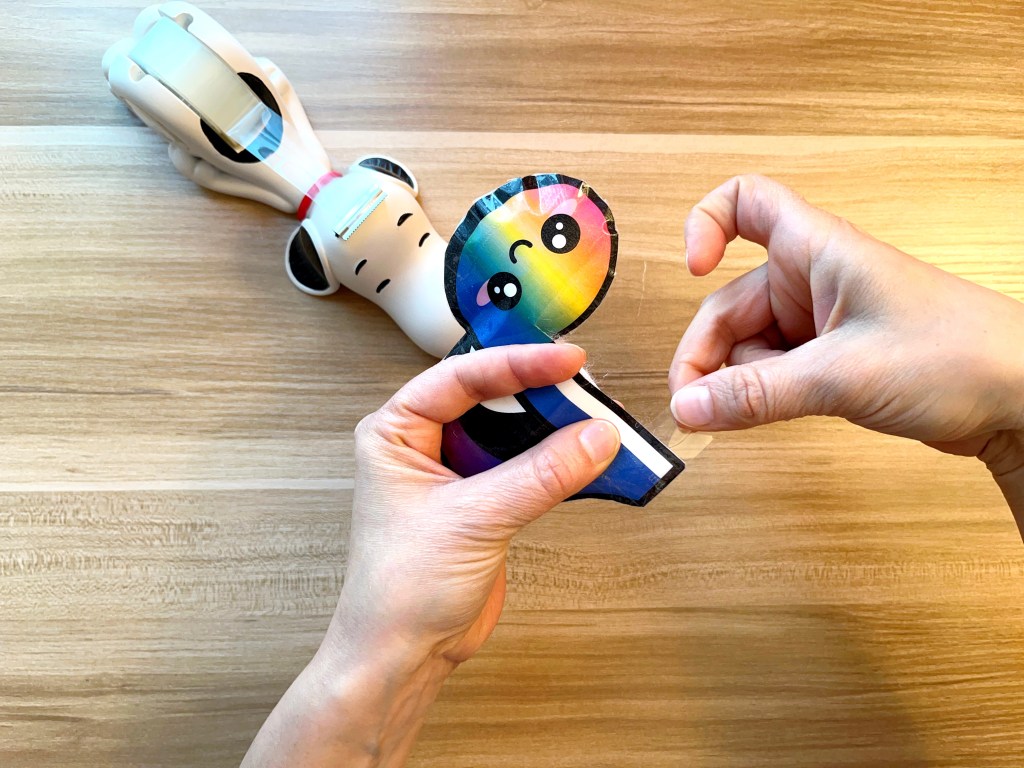
Seal the open edge with some tape.

Sealing the open edge of a paper eighth note squishy with transparent tape

Your squishy is ready for the recital!!

Rainbow colored eighth note paper squishy being squeezed by a hand

You can download the paper squishy Positive Notes craft here.

Explore more creative teaching ideas
  • Compose a Ringtone
    Ringtones are helpful but what if we could make them special too?! This is a fun and quick project that even the most reluctant students can get behind.
  • Top Practice Tools Every Piano Student should Have: Curiosity
    Curiosity is the catalyst that gets students to start learning the piano in the first place and can be exactly what’s needed to keep them going for the long haul. Why is it so important and how do we keep it going? What if I don’t play an instrument, but want to encourage my child in their practicing? Check out all the answers plus download a free printable for parents!
  • How to Make your Own Music Theory Dice
    Music theory dice are a great tool to have in your piano teacher arsenal but most of the time what you need isn’t available to buy anywhere. DIY Music Theory Dice are so easy to make and they are completely customizable for any concept you would like to work on with your students.

Let’s stay in touch, join the list!

As a “toucan” of our appreciation download a free set of note flashcards (link in our Welcome email)!

Processing…
Success! You're on the list.

We are a participant in the Amazon Services LLC Associates Program, an affiliate advertising program designed to provide a means for sites to earn advertising fees by advertising and linking to Amazon.com. As an Amazon Associate we earn from qualifying purchases.